
News
Sand Yachting, from Ancient Egypt to the Beaches of the Nord
 Anne · 4 min read
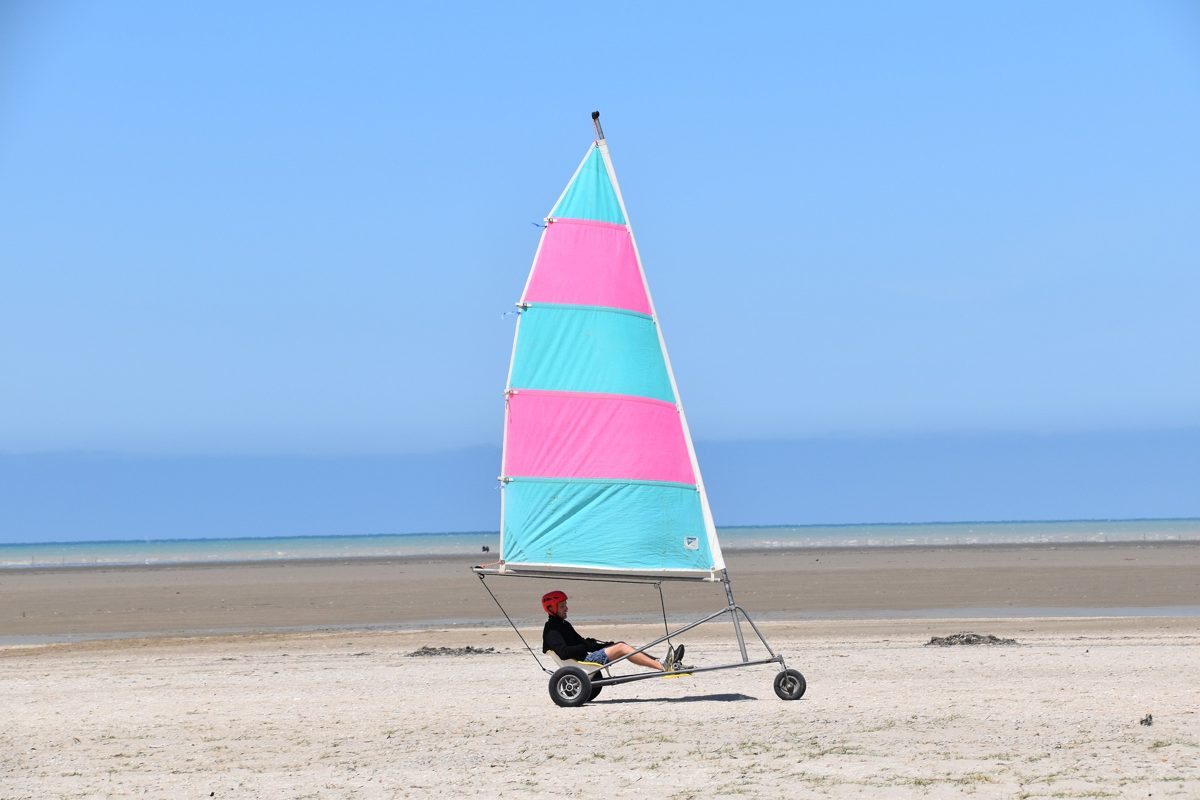
Sand yachting, also known as land sailing, is a thrilling adventure that combines the power of the wind, speed and adrenaline. The Hauts-de-France coastline offers ideal conditions for this seaside activity: the vast fine sandy beaches and strong winds make the Opal Coast a paradise for sand yachting. This pursuit, combining the power of the wind with the thrill of piloting, appeals to more and more enthusiasts. In this article, let's discover the best spots to practise this sport.
The beaches of Dunkirk and Gravelines
Dunkirk, a lively port town, isn't just known for its maritime history. Its endless beaches offer an ideal setting for sand yachting or speed sail (a sailboard on sand). The vast stretches of firm sand give a sense of freedom, while the steady winds off the North Sea push the sails to exhilarating speeds. In Gravelines, une école de char à voile locale offers lessons for beginners and equipment hire for the more experienced.
From the very first session, you feel real pleasure driving these machines as they race across the beach, with a real sense of freedom.
From Boulogne-sur-Mer to Fort-Mahon: the Opal Coast reveals its best sand yachting spots
The Opal Coast, with its majestic cliffs and unspoilt beaches, is a must for sand yachting enthusiasts:
- Berck-sur-Mer;
- Equihen-Plage
- Boulogne-sur-Mer
- Le Portel
- Hardelot
- Camiers;
- Etc.
All these spots offer ideal conditions with their vast fine sandy beaches and strong winds. They're not just well suited to sand yachting, they also offer breathtaking scenery, making for an unforgettable experience. nombreuses écoles de char à voile are dotted all along the Opal Coast. You'll find enthusiasts of sliding and speed there. For a taster session, an introductory lesson or regular classes, passionate professionals will guide you and make sand yachting accessible to every skill level.
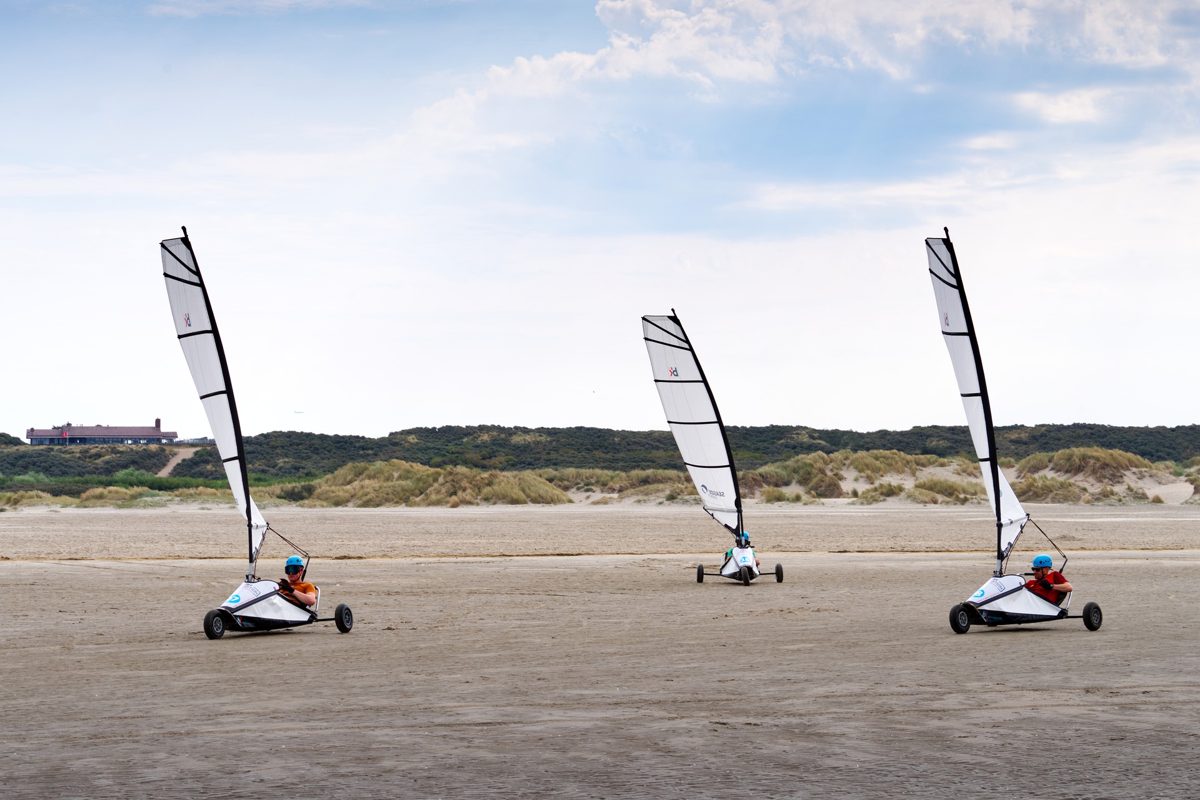
Sand yachting has fostered an enthusiastic community, engaged and respectful of the natural environment it moves through. The camaraderie within these clubs adds to the unique experience of sand yachting, where enthusiasts share their tips, their tricks and their love for this windswept adventure.
Seated or semi-reclined, the pilot uses their feet to steer the yacht, their hands to trim the sail, and their head to fully enjoy the nature, the thrill of sliding and the sensations. The sport is accessible to everyone, even seniors. It helps keep them in shape with a moderate cardiac workout and calls on motor, sensory and cognitive functions.
The history of sand yachting
The history of sand yachting goes back to Antiquity, but it was in the early twentieth century that the discipline really took off. The Belgian brothers André and François Dumont played a key role in developing sand yachting, designing prototypes and organising competitions on the beaches of northern France. Louis Blériot, the French aviator, created the Aéroplage. The first international event, bringing together forty-three pilots, was held in 1913. The First and Second World Wars brought a sudden halt to interest in these machines, and it wasn't until 1950 that they were seen on the coast again. Since then, both the sport and its technology have evolved, embracing modern technologies and gaining popularity worldwide.
The Opal Coast has therefore established itself as a destination of choice for sand yachting enthusiasts. Between the beaches of Dunkirk, the dunes of Flanders and the Two Capes, the region offers a diversity of landscapes that will delight fans of this exciting sport. Whether you're a beginner or an experienced pilot, the many local schools and clubs are ready to guide you through this unique experience. Whether you love the sea, crave a thrill, or are simply looking for an unusual activity, sand yachting promises you a breathtaking adventure. Catch the wind, hoist the sails and let yourself be carried away by this original adventure in one of the most beautiful regions of France.
Read next
 Thierry D
A word on this article?
No reviews yet. Yours will be the first.
The form is unavailable at the moment. Send your review to the editors, we’ll publish it here.