
Itinerary
Visiting the Opal Coast in a week
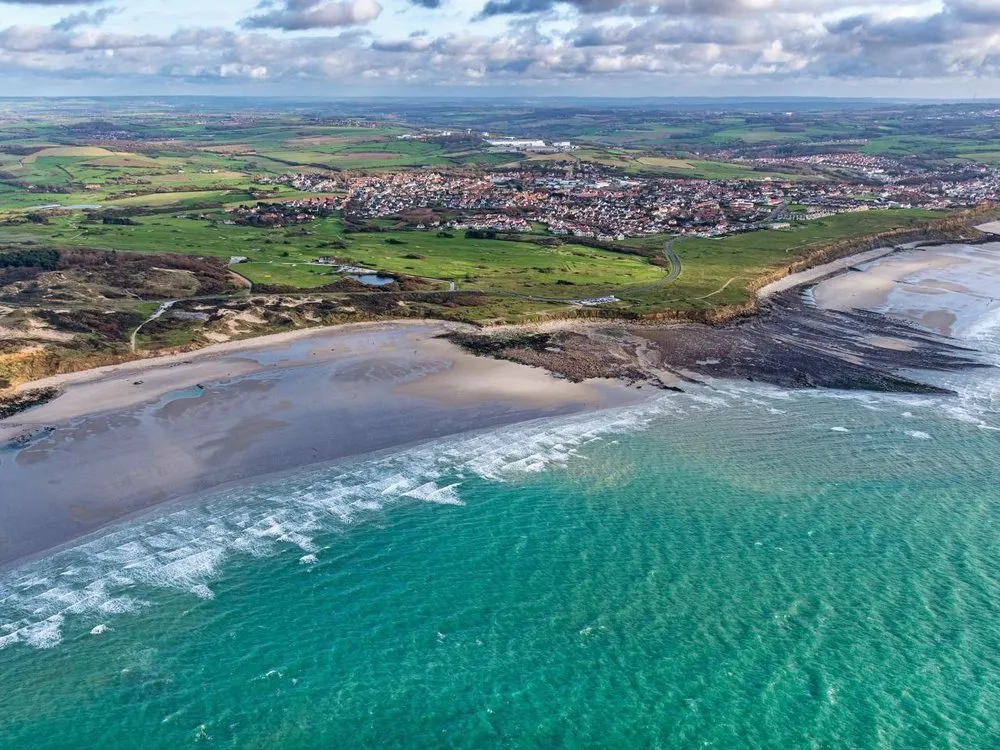
Seven days to travel the whole coastline, from the Belgian border to the Authie estuary
- Dunkirk
- Les Deux Caps
- Nausicaá
- Le Touquet
- The seals
7 days
The itinerary in brief
- Duration
- Seven days, Saturday to Friday, six nights
- Distance
- About 220km north to south, in stages of 20 to 40km
- Start
- Starting in Dunkirk, finishing in Berck; three bases along the way
- When
- April to October to fit everything in; winter for the big events and empty seafronts
A week is the length of time that makes the most sense of the Opal Coast. In a day you see the essentials; in three you stop rushing; in seven you've got time to let a shower pass, to wait for low tide before walking out to a fort, and to stay one more evening wherever you feel like it.
The itinerary runs down the coast from north to south, from Dunkirk to Berck, changing base three times: Dunkirk or Calais for the north, Wissant or Wimereux for the capes, Le Touquet for the south. Every day has its rainy-day alternative, and none of them force an early start.
The route
The stops, in order
- Dunkirk
- Calais
- Les Deux Caps
- Wimereux
- Boulogne
- Hardelot
- Le Touquet
- Berck
36 stops · about 220km north to south, in stages of 20 to 40km
Day 1Dunkirk, the town and the beach5 stops · 10am – 7.30pmCollapse
- 10am
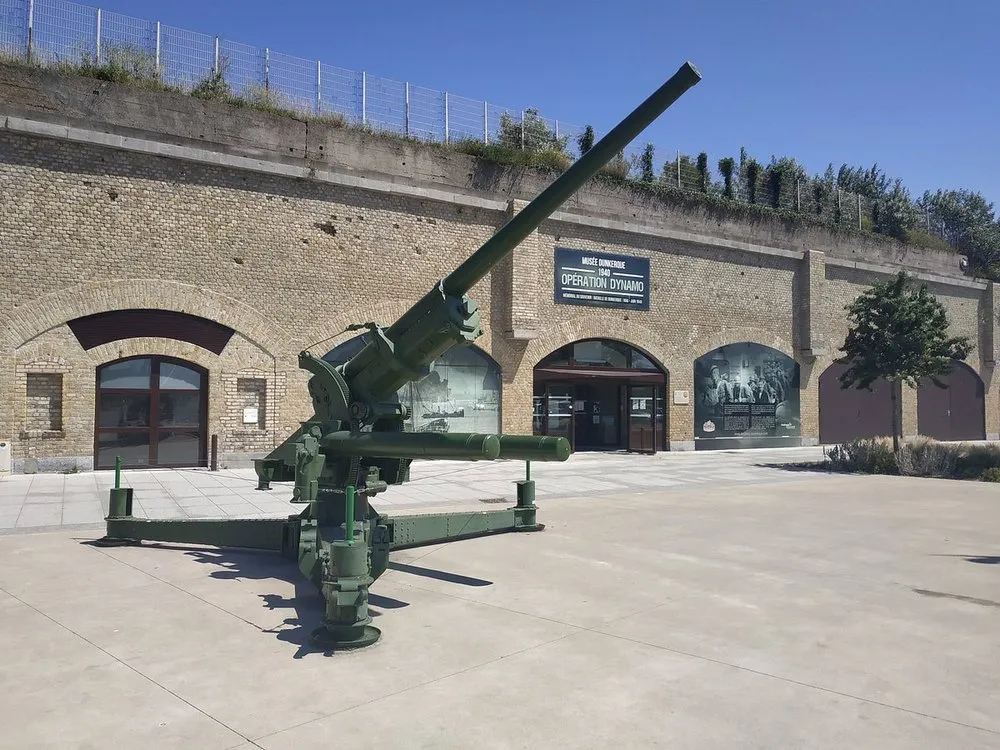
The Dunkirk 1940 museum
The week starts with the story that made Dunkirk famous worldwide: the evacuation of 340,000 soldiers in May 1940, told in the very casemates from which it was directed. Allow ninety minutes; it's short, dense, and it sheds light on everything you see on the beaches afterwards.
AlternativeWith children
The Musée Portuaire and its three-master, the Duchesse Anne, can be visited in a morning and appeal to all ages. The lightship, moored alongside, is the bit they remember.
- 12pm
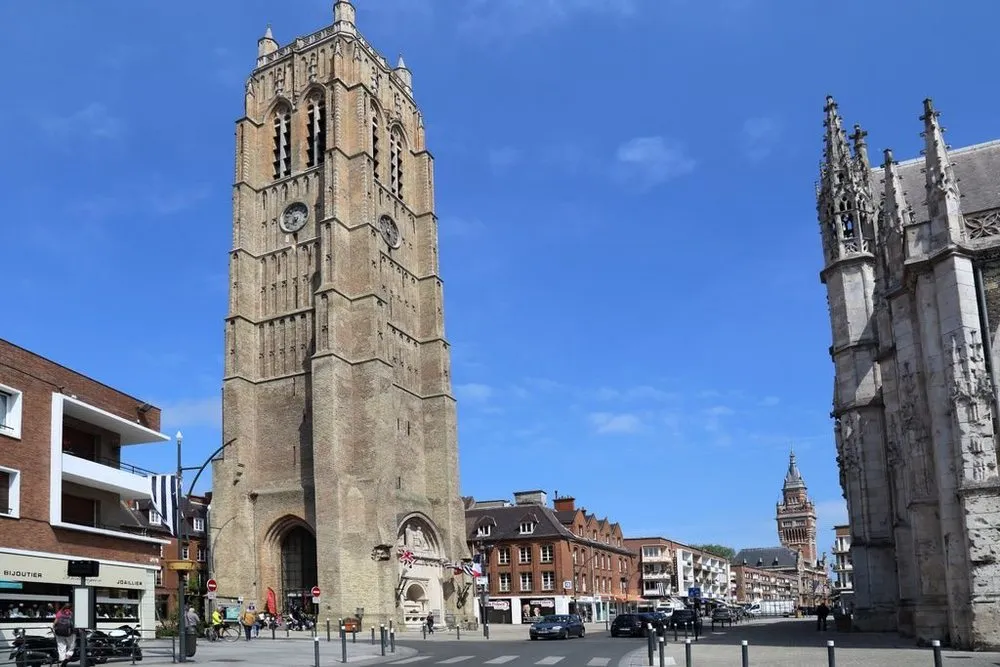
The belfry and the town centre
The Saint-Éloi belfry, a UNESCO World Heritage Site, can be climbed: 65 metres up, with views over the port, the beach and, on a clear day, the Belgian coast. Lunch afterwards on Place Jean-Bart or along the Malo seafront, where the brasseries serve lunch all year round.
- 2.30pm
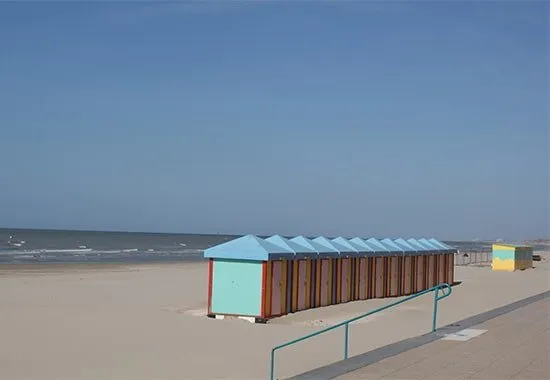
Malo-les-Bains beach
Three kilometres of sand and a seafront lined with Belle Époque villas: this is Dunkirk's beach, one of the widest on the coast. At low tide, you walk a long way before the water reaches your ankles — which is what makes it a sand-yachting spot.
The kursaal and casino hold the middle of the seafront; the eastern end, towards Leffrinckoucke, is quieter.
- 5pm
The dunes of Bray-Dunes
The last town before Belgium, and the finest dune in the area: the Dune Marchand nature reserve, eighty-three protected hectares, can be explored on marked trails in an hour. Late in the day, the light comes off the sea and flattens the marram grass.
See everything in Bray-Dunes →
AlternativeIf it rains
The LAAC, a contemporary art museum set in a sculpture garden, ten minutes from the centre. Free on the first Sunday of the month.
- 7.30pm
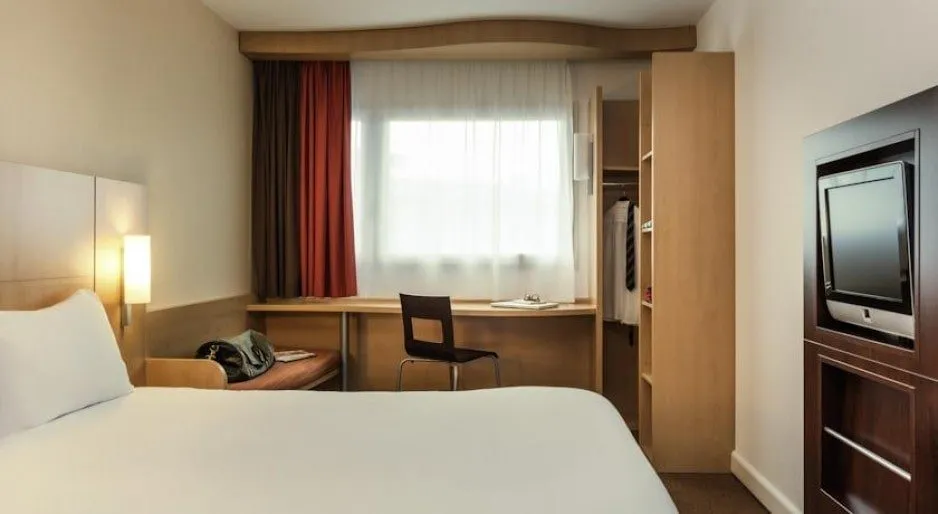
Dinner and overnight stay in Dunkirk
First night in Dunkirk, or in Malo to be right on the seafront when you wake up. The town's page has our recommended addresses.
Day 2Gravelines and Calais5 stops · 9.30am – 7.30pmCollapse
- 9.30am
A walk around the Gravelines ramparts
Twenty minutes from Dunkirk, a star-shaped town designed by Vauban, ringed by water-filled moats. The full circuit of the fortifications takes an hour on foot, or you can take an electric boat along the moats instead. The black-and-white spiral lighthouse at Petit-Fort-Philippe is a five-minute drive away.
See everything in Gravelines →
AlternativeThe first Sunday of the month
The musée de l'Estampe, the only French museum devoted to printed work, housed in the arsenal's former powder magazine. Small, and surprising.
- 12.30pm
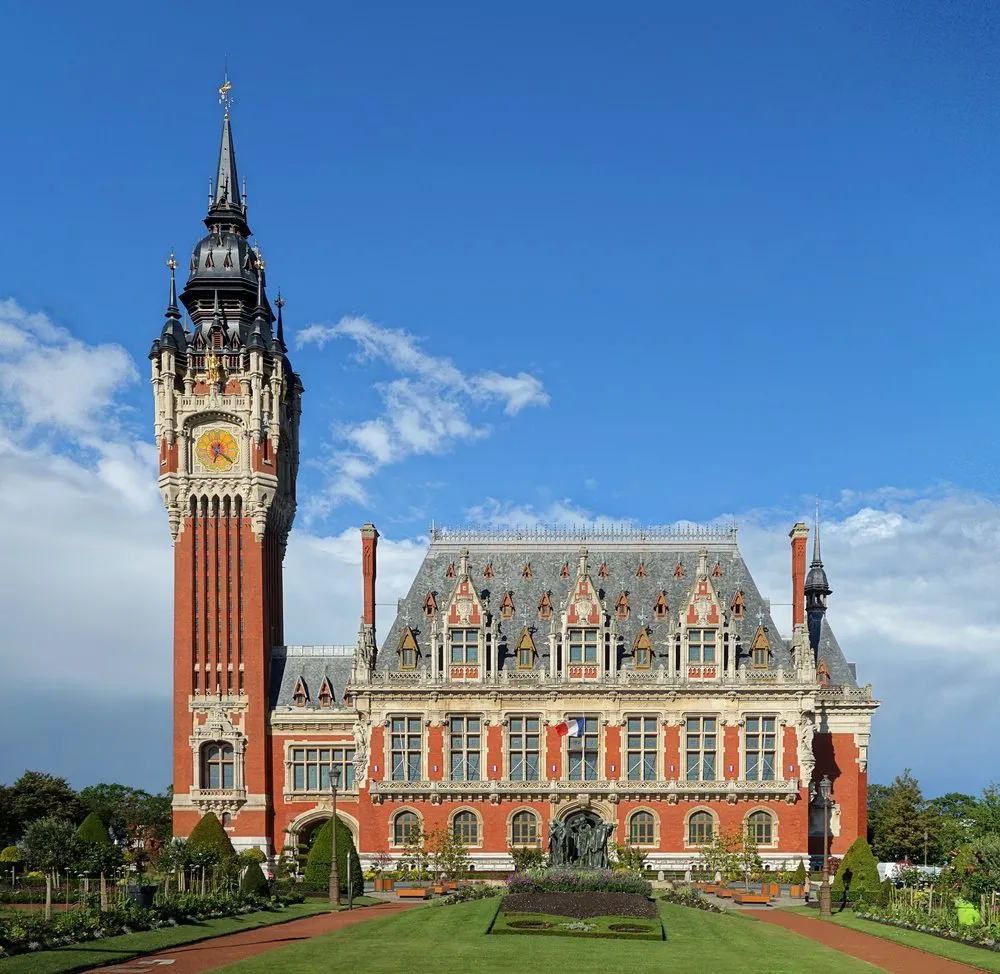
Lunch in Calais
Calais is the biggest town in the department, and the one everyone drives through without stopping: that's a mistake. Lunch on Place d'Armes, at the foot of the Tour du Guet, then a ten-minute walk to the town hall and its UNESCO-listed belfry. Rodin's Burghers of Calais stand out front.
- 2.30pm
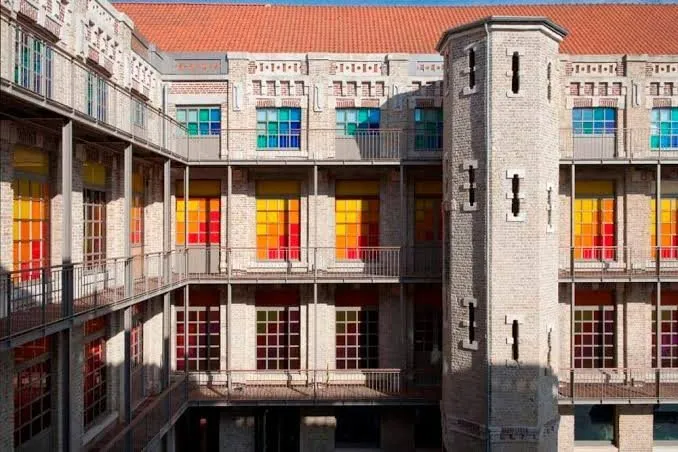
The Cité de la Dentelle et de la Mode
In a former lace factory, ten-tonne Leavers looms still turn right in front of you. Two hours, and one of the most surprising visits on the coast — even for those not initially drawn to lace.
- 5pm
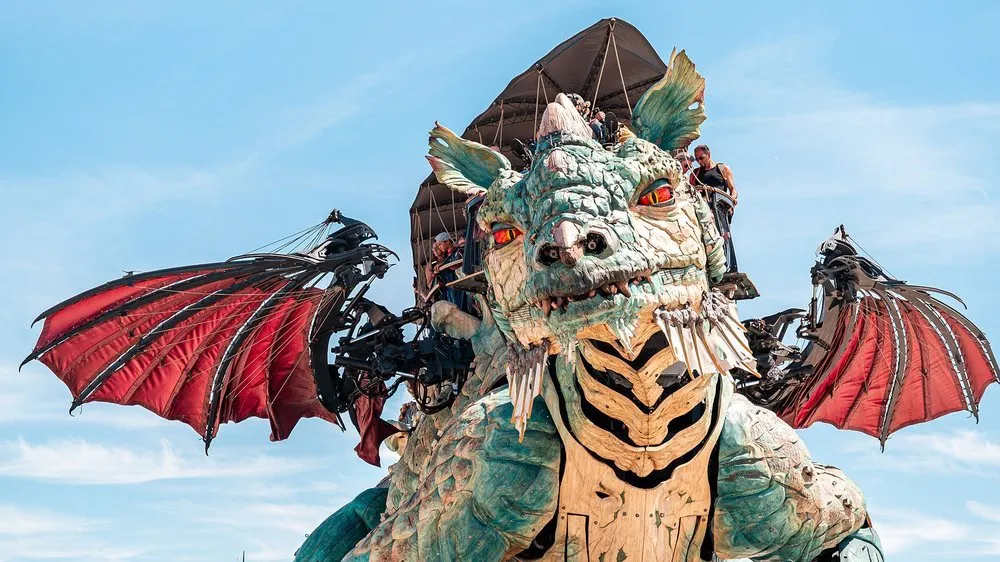
The seafront and the Dragon
The seafront has been completely redone: a new sea wall, the region's biggest skatepark, and the Dragon, a twelve-metre machine that carries its passengers along the seafront. It doesn't come out every day — check the calendar before counting on it. Otherwise, the beach is more than enough: it's huge, and the white beach huts are there all year round.
- 7.30pm
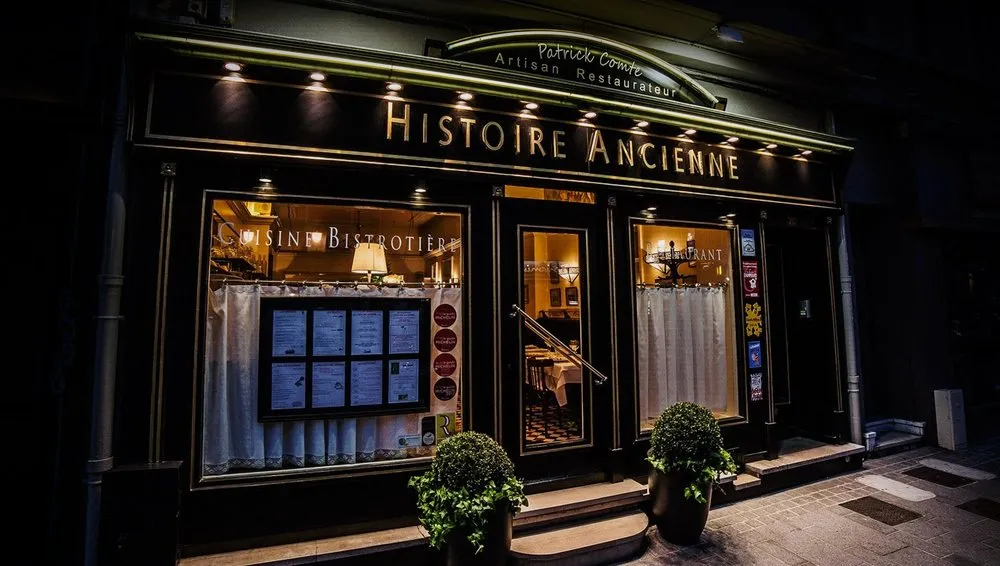
Dinner and overnight stay in Calais
Overnight in Calais, or already in Wissant if you'd rather wake up facing the capes tomorrow morning. Both are twenty minutes away.
Day 3The Deux Caps, the whole day5 stops · 9.30am – 7.30pmCollapse
- 9.30am
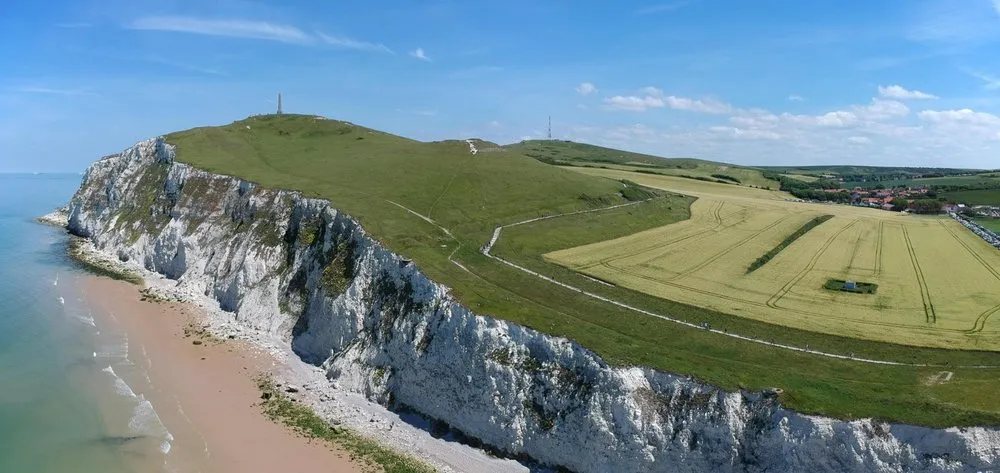
Cap Blanc-Nez
A hundred and thirty-four metres of chalk facing England, visible on a clear day. Park at the cape's car park and take the clifftop path; the full loop is 6.4 kilometres and passes through the village of Escalles. At low tide, the beach below can be walked — check the time before heading down.
AlternativeIf it rains in the morning
Flip the day around: the Batterie Todt at Audinghen in the morning, the capes in the afternoon. On the coast, rain rarely lasts a whole day.
- 12.30pm
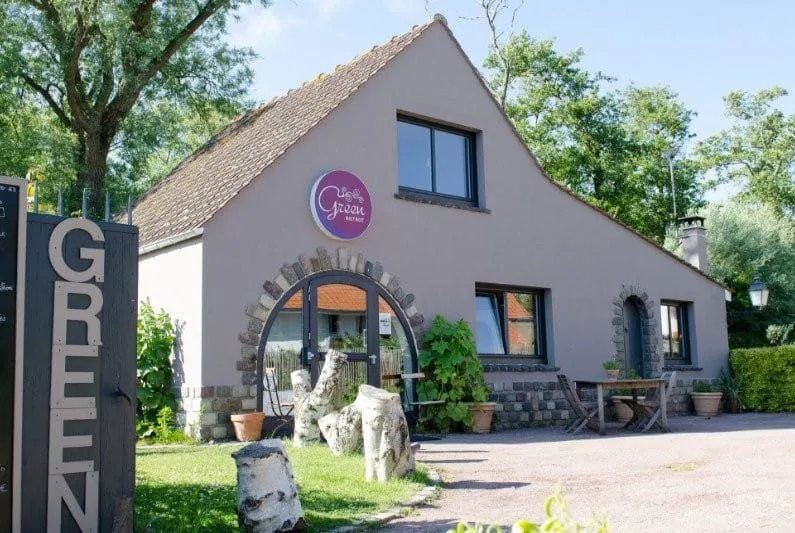
Lunch in Wissant
"Wissant" is pronounced "Ouissant", and it's the village between the two capes: a bay, a seafront, a square. Our restaurant picks are on the village page; for a picnic, the seafront facing the bay does the job nicely.
- 2pm
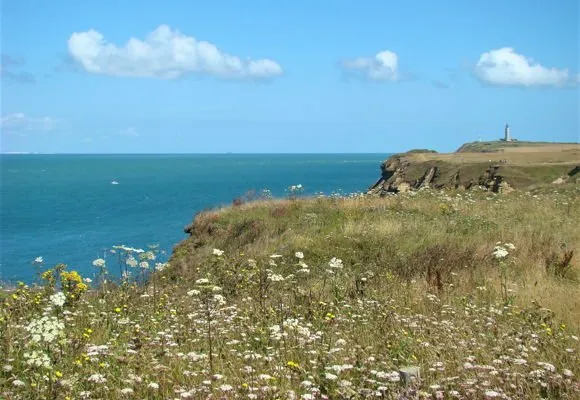
Cap Gris-Nez
The closest point in France to England: 28 kilometres. Lower than Blanc-Nez, wilder, with the lighthouse and the CROSS coastguard station watching over the busiest strait in the world. A 3.4-kilometre loop takes you round, accessible by wheelchair on the upper section.
Between the two capes, the Cran aux Œufs is a cut in the cliff that almost nobody knows about: a cove, a staircase, and hardly anyone around.
- 4.30pm
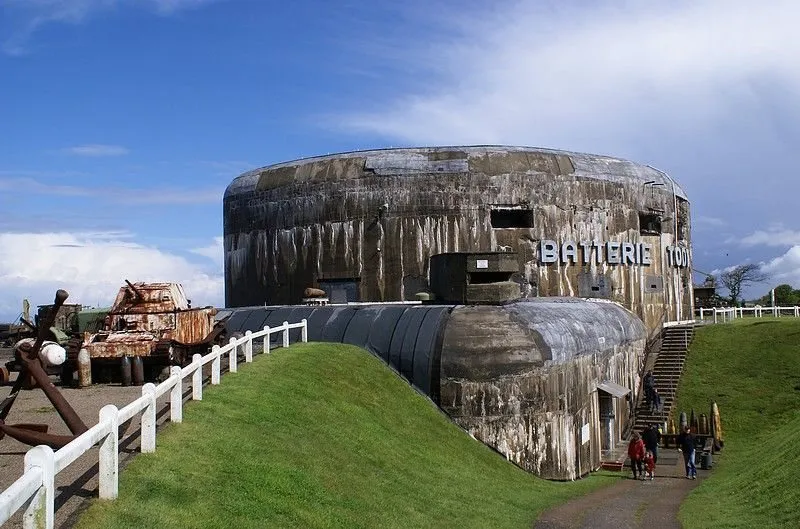
The Batterie Todt and Audresselles
The Atlantic Wall museum occupies a bunker of the Batterie Todt, whose gun once fired on England. An hour, and you understand what all those concrete blocks you come across on the beaches actually are.
Then Audresselles, the fishing village with its flobarts, the flat-bottomed boats hauled up onto the shingle. End the day on the seafront, facing the sunset.
- 7.30pm
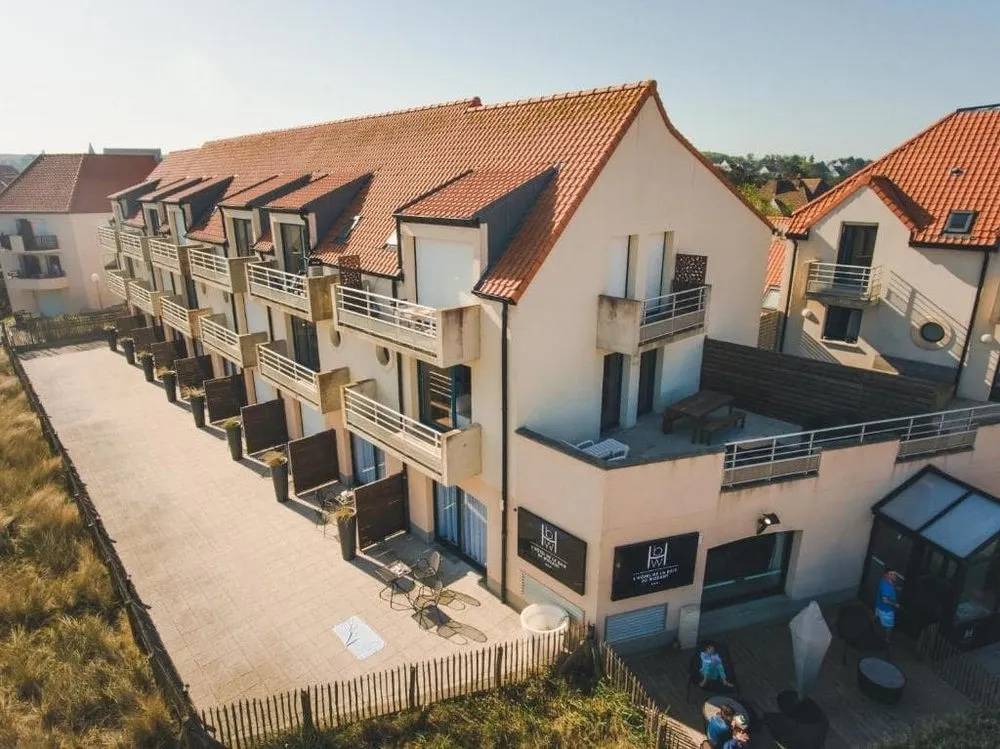
Dinner and overnight stay in Wissant
Two nights in Wissant: it's the base for the capes, and tomorrow you won't be going far.
Day 4From Ambleteuse to Boulogne, via Wimereux5 stops · 9.30am – 7.30pmCollapse
- 9.30am
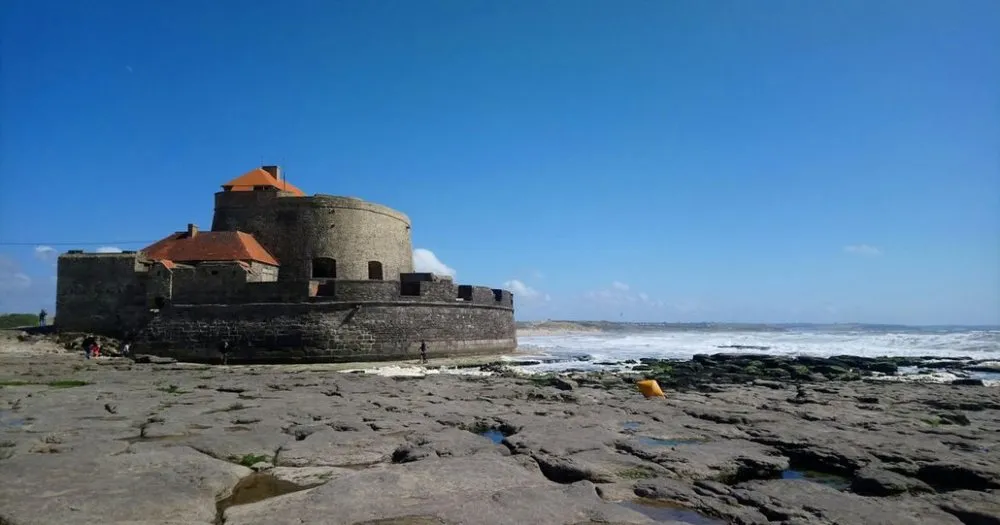
The Ambleteuse fort, at low tide
A Vauban fort perched on the rocks, at the mouth of the Slack. It can only be reached at low tide: the rest of the time it stands in the water and is best viewed from the beach. Check last night's tide times, and plan the morning around them.
Before you leave, five minutes on the Slack beach, the wild bay between Ambleteuse and Wimereux, where the birds settle in spring.
- 12pm
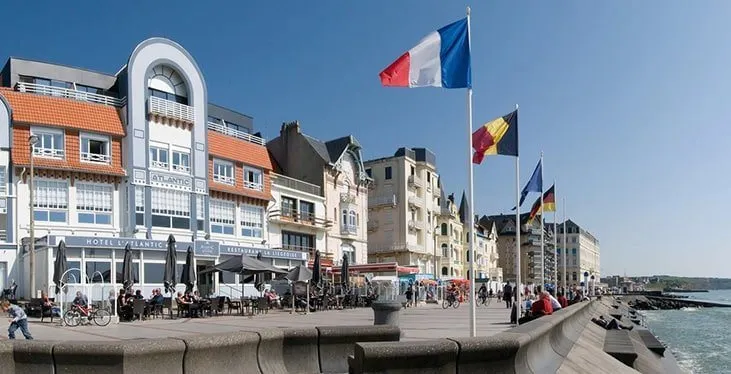
Lunch in Wimereux
Wimereux is the most elegant resort on the northern coast, and the one where the food on the seafront is best. Our recommendations are on the town's page.
AlternativeFor a picnic
The Pointe aux Oies, a wild beach tucked into the dunes of the Slack, five minutes from the centre.
- 1.30pm
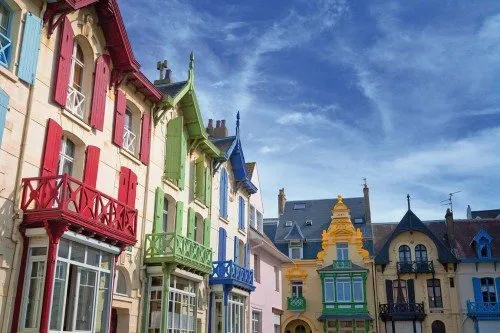
The seafront and the villas
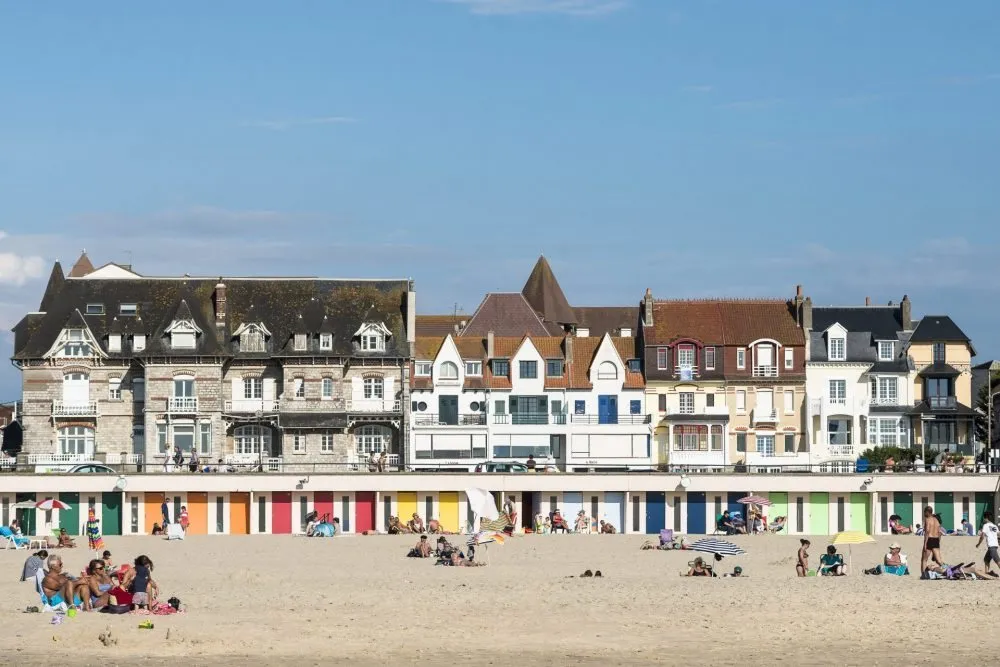
Fifteen hundred metres of seafront lined with white and blue beach huts, then the streets behind: the Belle Époque villas, built by industrialists from the North, each carry a QR code telling their story. An hour, on foot, no guide needed.
- 3pm
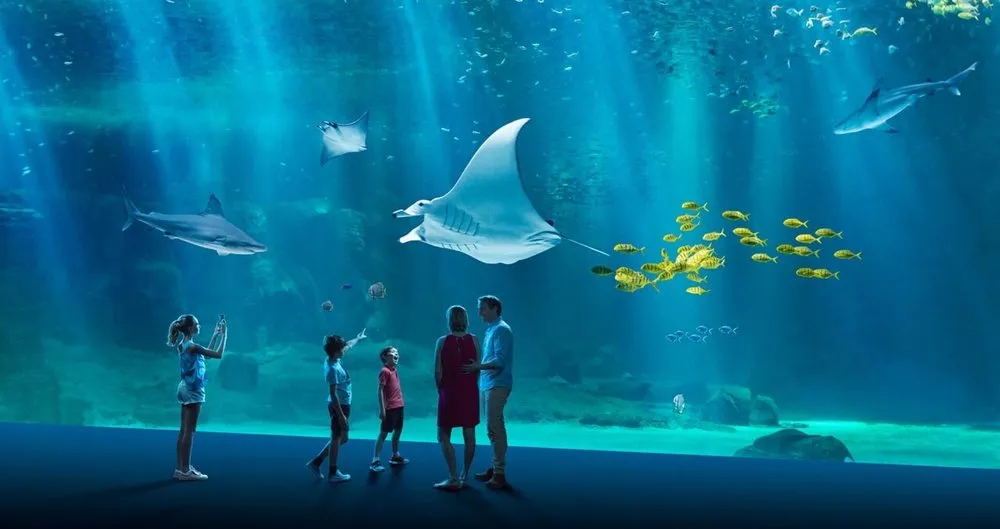
Nausicaá
Europe's biggest aquarium, ten minutes from Wimereux. The big tank and its 18-metre tunnel, the penguins, the sea lions: allow three hours, arriving mid-afternoon once the school groups have left. Book online: in season, the queue at the entrance can run to tens of minutes.
See everything in Boulogne sur Mer →
AlternativeIf you've already done Nausicaá
Boulogne's Château-Musée, a 13th-century castle, with Alaskan masks and an Egyptian collection inside. Or the port, when the trawlers come back in.
- 7.30pm
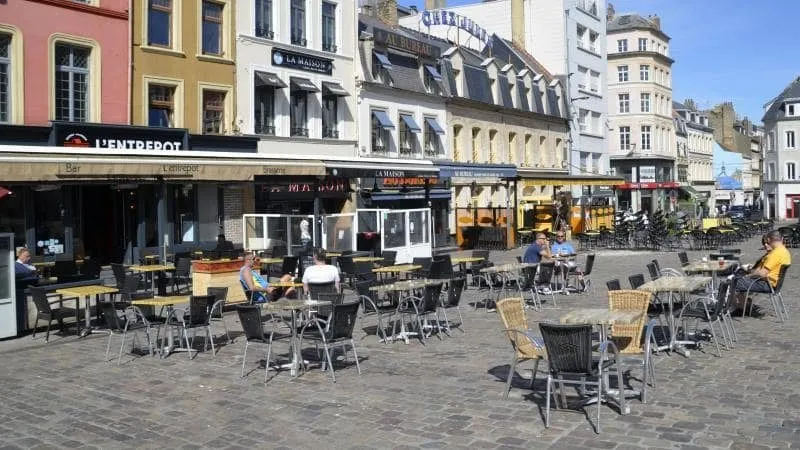
Dinner and overnight stay in Boulogne-sur-Mer
For fish, this is the place: France's number one fishing port. Overnight in Boulogne, in the upper town if you can.
Day 5Boulogne, then the cliffs to the south5 stops · 9.30am – 7.30pmCollapse
- 9.30am
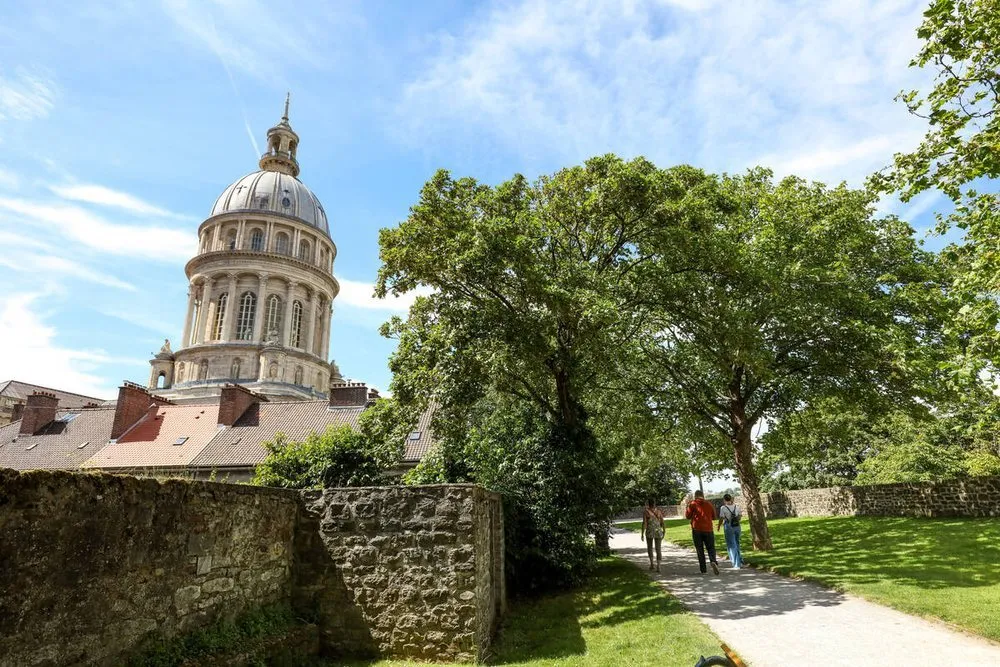
The fortified town of Boulogne
The circuit of the ramparts is a kilometre and a half and takes forty minutes on foot, with the lower town and the port at your feet. Inside: the Notre-Dame basilica and its crypt, the biggest in France, rediscovered in 1828; the old town square and its terraces; the belfry.
- 12pm
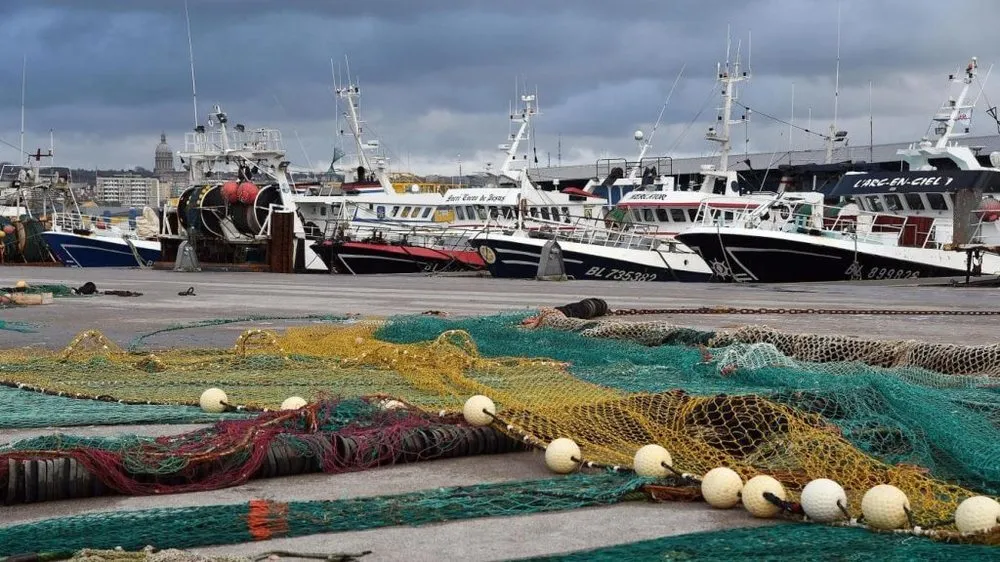
Lunch at the harbour
Quai Gambetta, opposite the trawlers. On Saturday mornings, the fishermen sell straight off the quay; it's the best spot on the coast for a quick smoked herring.
- 2pm
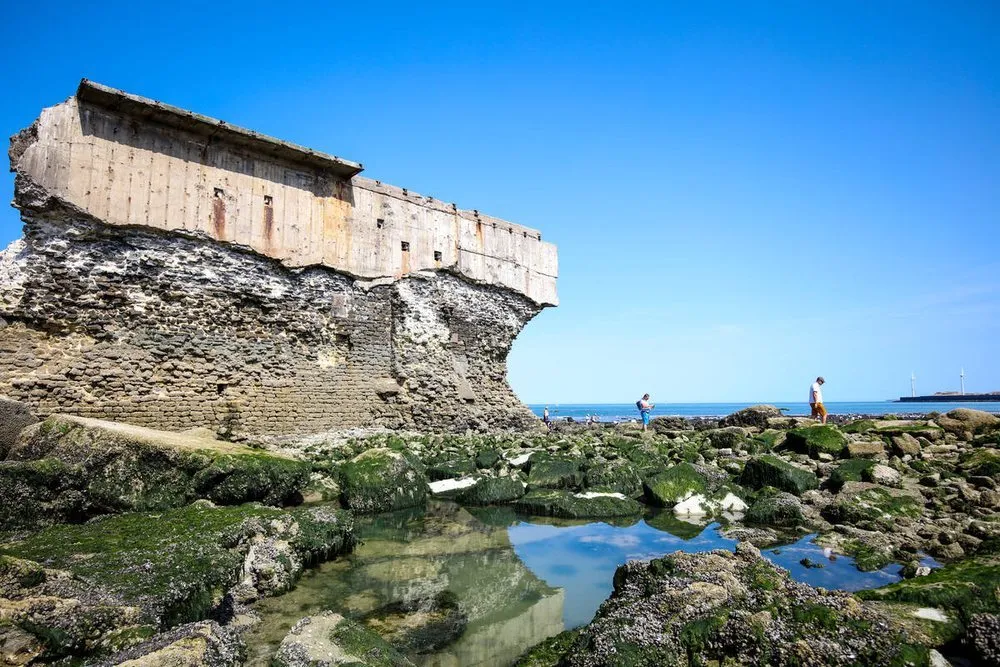
Le Portel and the Fort de l'Heurt
Right next to Boulogne, Le Portel has three forts and a sheltered fine-sand beach. The Fort de l'Heurt, a Napoleonic fort, sits on a rock that the sea cuts off at every high tide: at low tide you can walk right up to its foot.
Further south, Équihen-Plage and its "quilles en l'air", old upturned boat hulls turned into houses.
AlternativeIf it's fine and windy
A sand-yachting session on the beach at Hardelot or Équihen. Ninety minutes, no experience required, and the activity everyone remembers from the week.
- 4.30pm
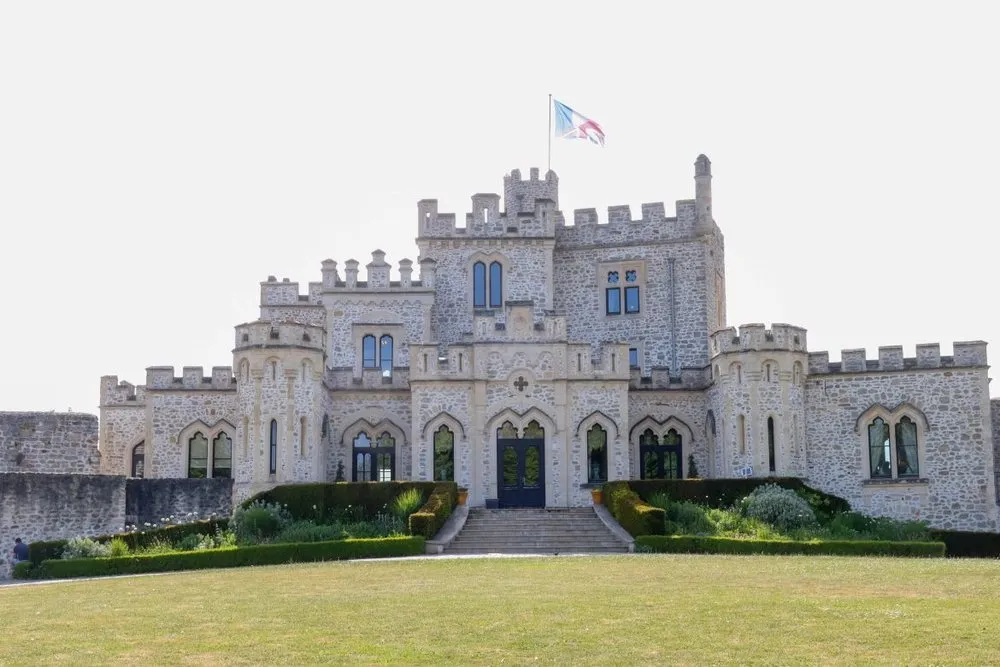
Hardelot Castle
A neo-Tudor manor among the pines, an English garden and France's only Elizabethan theatre. The park is free; the castle takes an hour to visit. Afterwards, Hardelot beach is three minutes away, with its dunes and the Mont Saint-Frieux to the south.
- 7.30pm
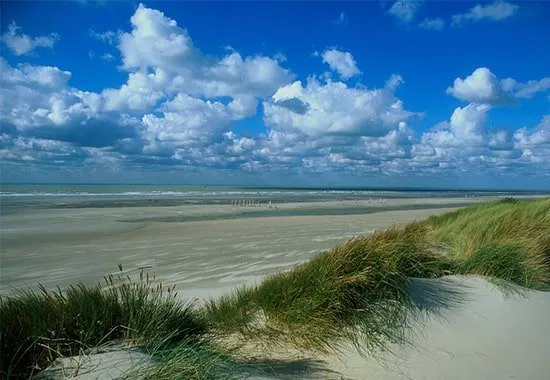
Dinner and overnight stay in Hardelot or Le Touquet
Hardelot for the calm, Le Touquet for the evening buzz: both are twenty minutes away. The last two nights are spent in the south.
Day 6Le Touquet and the Canche estuary5 stops · 9.30am – 7.30pmCollapse
- 9.30am
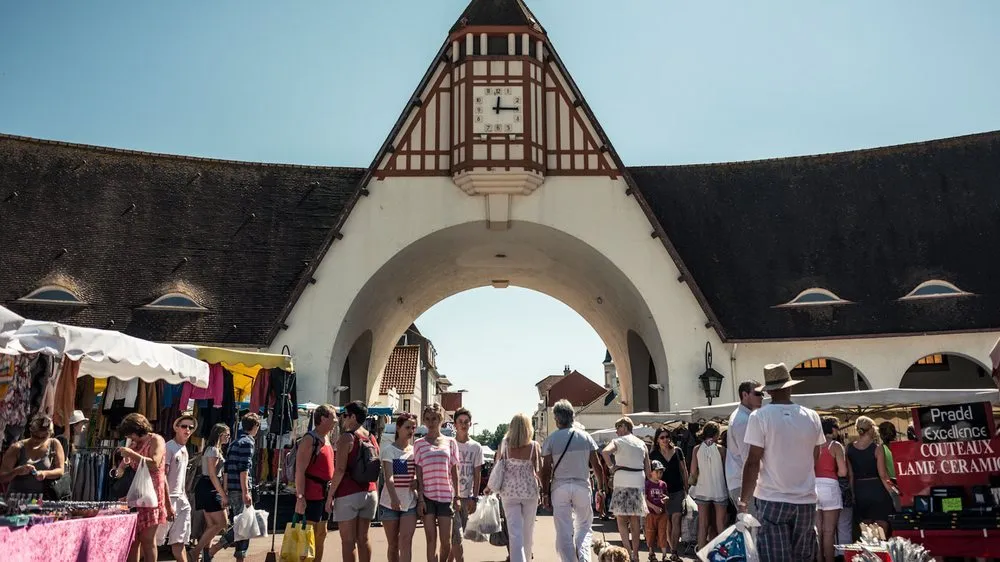
The covered market and the town centre
Le Touquet's covered market, under its 1932 archway, is held on Thursday and Saturday mornings, daily in summer. Around it, the Rue Saint-Jean and its shops, the Anglo-Norman façades, and the best morning coffee on a terrace.
- 11.30am
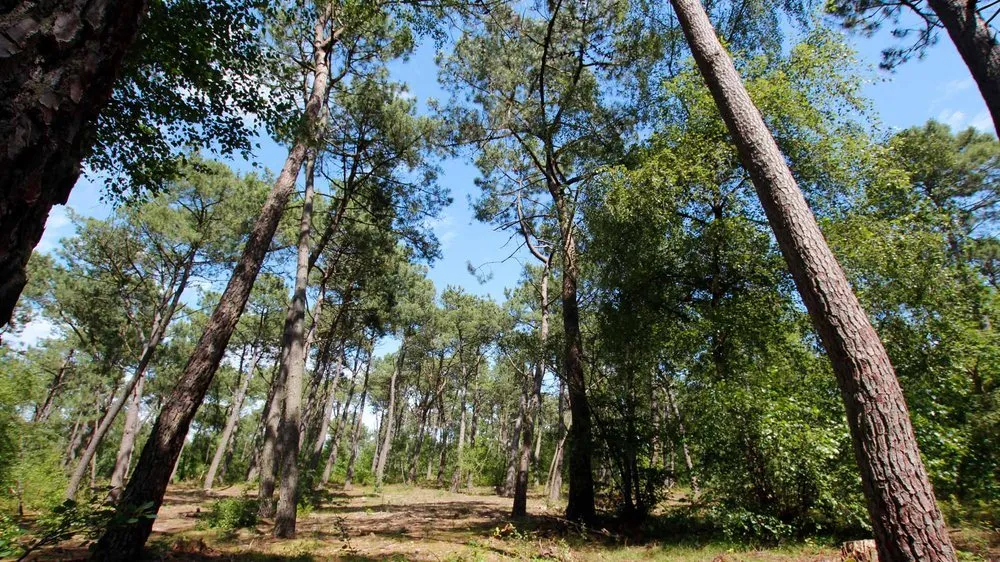
The forest and the beach
Eight hundred hectares of pines planted in the 19th century, crossed by cycle paths and hidden villas: the forest is best explored by bike, hired in the centre. Then the beach, one of the widest on the coast, where you can walk a kilometre out at low tide.
AlternativeWith the family
Bagatelle, the coast's amusement park, ten minutes towards Berck. A whole day if the children are under twelve.
- 1pm
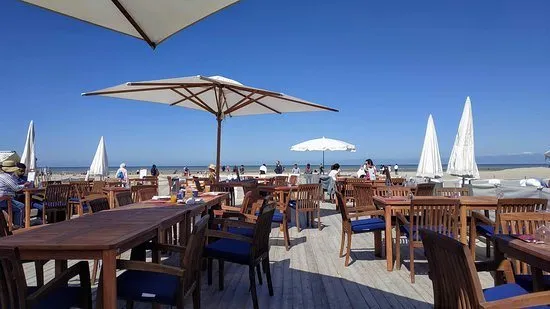
Lunch in Étaples, by the harbour
On the other side of the bridge, Étaples is the Canche's fishing port, and the town with the two festivals that matter: the Coquille Saint-Jacques in spring, the Hareng Roi in November. The restaurants on the quay serve what came in that morning.
- 3pm
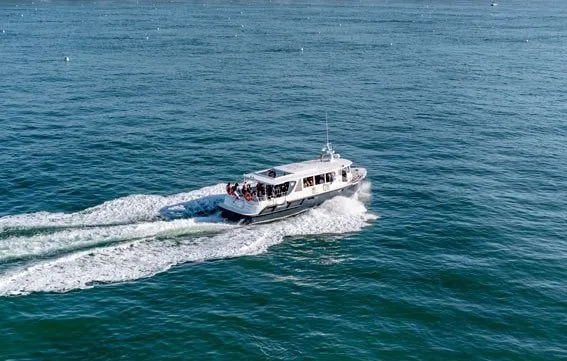
The Canche estuary
The Canche estuary nature reserve can be explored on foot from the Le Touquet headland, or by boat from Étaples to see the seals up close. On the rising tide, the bay fills up in under an hour: that's the moment to be there.
- 7.30pm
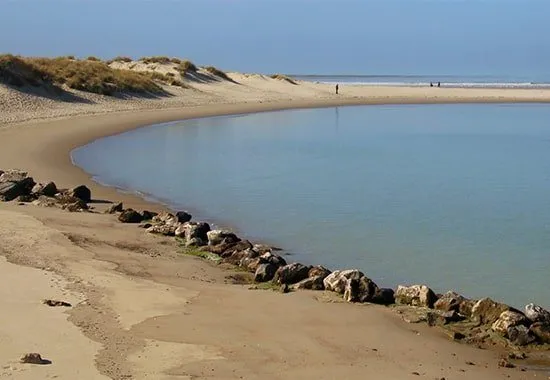
Dinner and overnight stay in Le Touquet
Last night in Le Touquet. The resort stays lively late into the evening, even out of season at weekends.
Day 7Berck, the seals and Montreuil3 stops · 9.30am – 1pmCollapse
- 9.30am
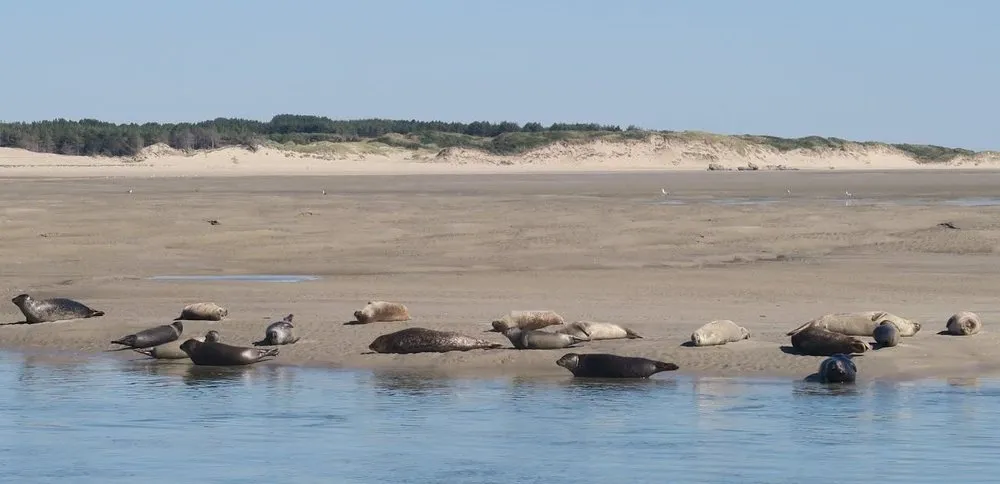
The seals of the Authie estuary
Two colonies of seals, harbour seals and grey seals, visible all year round at low tide from the sand of the Authie estuary, south of Berck. Stay three hundred metres away: they're resting, and a disturbed seal will abandon its pup. Binoculars make all the difference.
- 11.30am
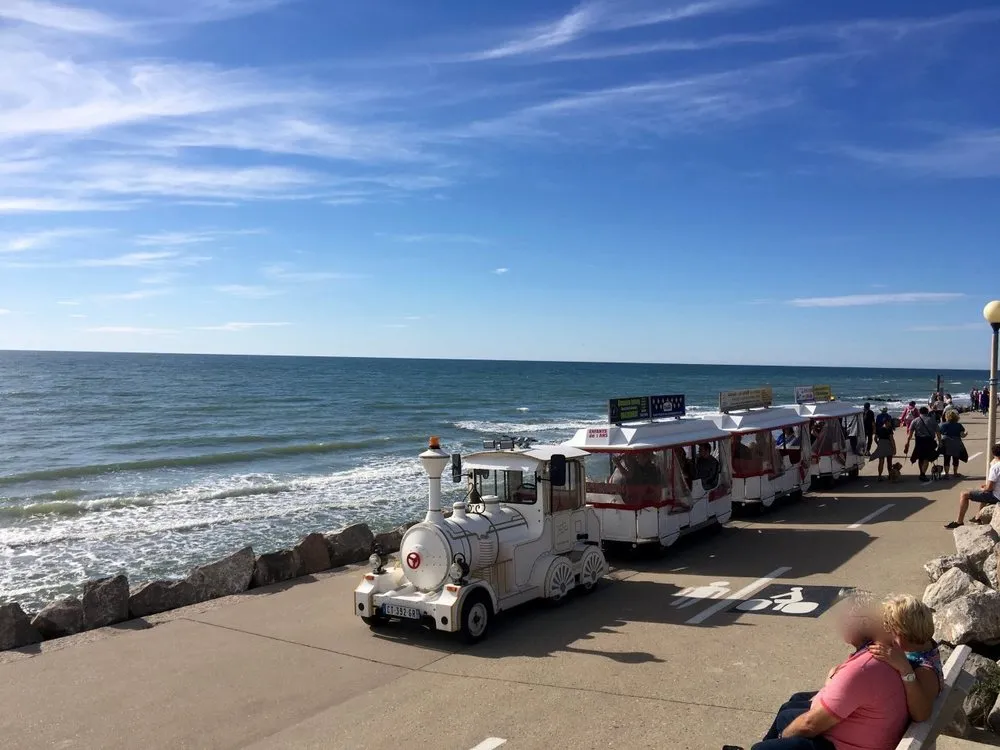
The Berck seafront and the little train
Berck has the longest seafront on the coast, a twelve-kilometre beach, and the kite festival in April that draws half a million visitors. The rest of the year, the little train runs along the seafront in thirty minutes; the lighthouse can be visited at weekends.
- 1pm
Lunch and the end of the trip in Montreuil-sur-Mer
Twenty minutes inland, Montreuil-sur-Mer hasn't had the sea for centuries: the Canche silted up. What remains is a whole walled town, its ramparts walked in an hour, its citadel, and the Rue du Clape-en-Bas with its low houses. Lunch here is better than in most resorts, and it's on the way back towards Paris or Lille.
See everything in Montreuil-sur-Mer →
AlternativeOn Saturday morning
The Montreuil market, Place du Général-de-Gaulle, one of the biggest in the area: produce from the farms of the Montreuillois, cheeses and Samer strawberries in June.
Your choiceSaint-Omer and the marshes, replacing any day3 stops · 10am – 2.30pmCollapse
- 10am
The Audomarois marshes by bacôve
Forty minutes from the coast, a 3,700-hectare marsh farmed since the Middle Ages, explored by bacôve, the market gardeners' flat-bottomed boat. An hour on the water, sheltered under the awnings if it rains, between cauliflower plots and houses reachable only by water.
- 12.30pm
Lunch in Saint-Omer
The cathedral, Place du Maréchal-Foch and its terraces under the arcades, the public garden. Saint-Omer is the inland art town, and the one that rescues a rainy day.
- 2.30pm
La Coupole
Ten minutes away, the Coupole d'Helfaut: a 55,000-tonne concrete dome built to launch V2 rockets at London, now a history centre and planetarium. Two hours, indoors, and one of the most memorable visits in the region.