
Côte d'Opale
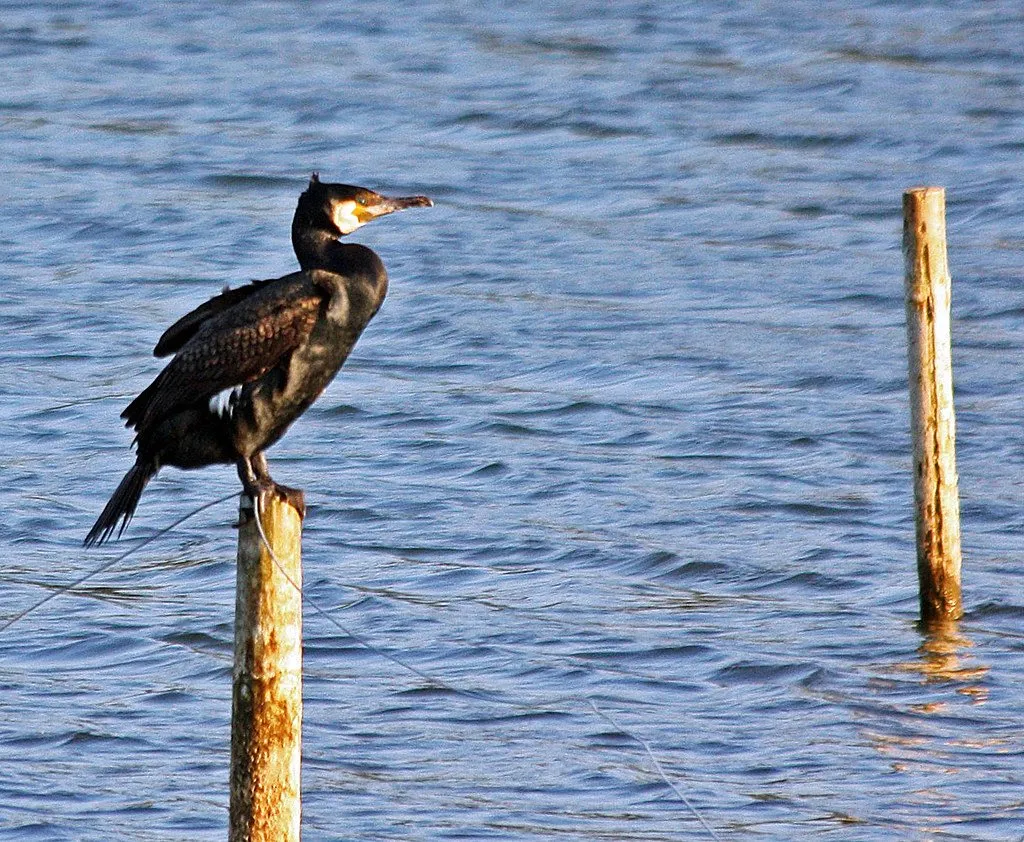
Birdwatching on the Opal Coast
One of the biggest migration corridors in Europe passes right overhead
The essentials
- Where
- Côte d'Opale
- How long
- Half a day
- Price
- Free
- Migration corridor
- Platier d’Oye
- Spring and autumn
- Free
The Strait of Dover is the narrowest point between the mainland and the British Isles. For a migrating bird, it's the obligatory crossing point — and for anyone watching from the coast, it's a parade.
In spring and autumn, tens of thousands of birds pass along this stretch of coast. The rest of the year, the wetlands and mudflats host thousands more, resting or overwintering.
The sites
- The Platier d’Oye A nature reserve between Calais and Gravelines, behind the beach at Oye-Plage: lagoons, salt marsh and dunes, with hides. The richest site on the coast, and the most accessible.
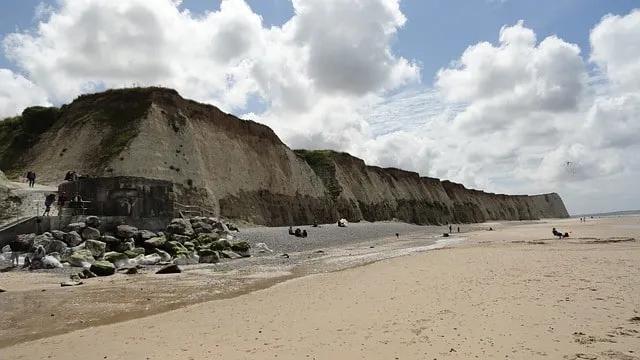
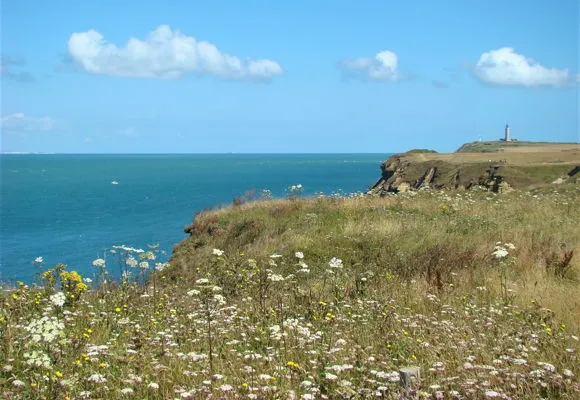
- The two capes During migration, you position yourself facing the sea to count birds moving along the coast. It's free, it's windy, and it's where you see skuas and shearwaters go past.
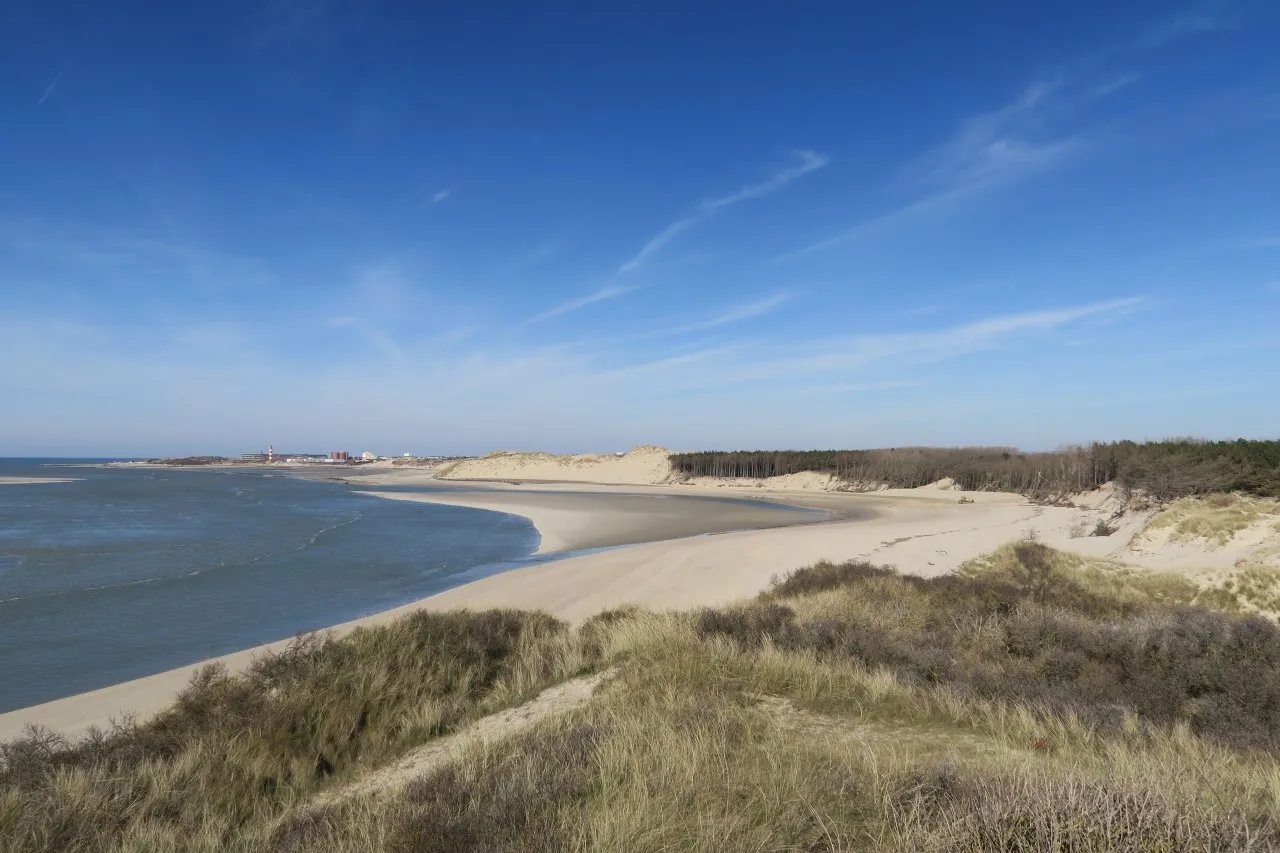
- The bays The Authie and Canche estuaries: waders on the falling tide, as the mudflats uncover and food appears.
When to come
March–April and August–October for migration, the main event. Winter for ducks and geese in the wetlands, and for seabirds driven ashore by storms — a good westerly blow is good news for a birdwatcher.
Summer is the leanest season, and also the one that calls for the most care: birds nest on the ground in the dunes and on the upper beach.
Nearby
Do you know Birdwatching? Your review
No reviews yet. Yours will be the first.
The form is unavailable at the moment. Send your review to the editors, we’ll publish it here.