
News
Bray-Dunes: Where to Go and Where to Stay?
 Thierry D · 5 min read
Located on the Opal Coast, close to the Belgian border, Bray-Dunes was founded at the end of the nineteenth century by a Dunkirk shipowner named Alphonse Bray. This former hamlet has today become one of the most visited seaside resorts in France. With an enormous natural heritage and exceptional historic architecture, this town boasts outstanding tourist assets. Here's a look at a few sites to visit around Bray-Dunes, along with the various types of accommodation on offer.
What kinds of accommodation are there in Bray-Dunes?
The historic town of Bray-Dunes offers its guests several types of accommodation. Among them are furnished flats for 2, 4 or 6 people, ideal for families and groups of friends. This is indeed the most common type of property in town, and can be a flat with one, two or three bedrooms. Either way, the average flat size is around 39 m², while the average rental price is 125 euros a day.
The town also has other holiday lets on offer, including houses. Houses rented in Bray-Dunes average 117 m² for an average rental price of 142 euros a night. For more information on accommodation options, renseignez-vous sur les locations de vacances aux alentours de la côte d’Opale, directly on the providers' online platforms.
The tourist assets of Bray-Dunes
Bray-Dunes is a town of many facets, with an exceptional past. It has extraordinary tourist sites that draw thousands of visitors every year.
The Leughenaer Tower
The Leughenaer Tower is without doubt Dunkirk's oldest monument. This right-angled tower, 28 metres long, was built in 1405. It's one of the last towers that once stood along the walls raised by the Burgundians. Listed as a historic monument, the Leughenaer Tower served as the base for the first lighthouse used from 1793. As a bit of trivia, the lantern crowning the top of the tower was added in 1814.
Its name, which means "the liar's tower" in Flemish, has several possible origins. One theory holds that the people of Dunkirk used it to send false signals to ships, causing them to run aground on the sandbanks. The townsfolk would then use this trick to plunder the many ships that fell into the trap. One of the finest attractions remains the fish auction held at the foot of the tower, on Place du Minck, an activity kept alive since the days of the Iceland fishermen.
Fort des Dunes de Leffrinckoucke
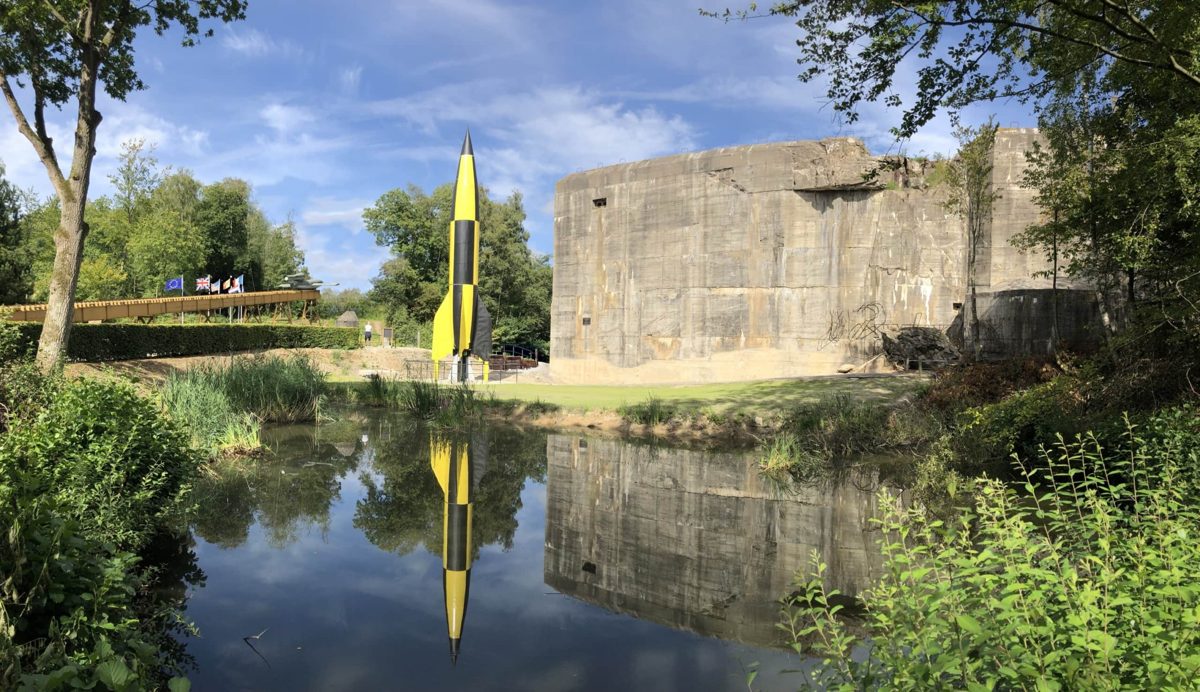
Built after the war of 1870, more precisely between 1878 and 1880, Fort des Dunes de Leffrinckoucke was designed to protect the port of Dunkirk. Covering around 5,000 m², this site is steeped in history. One of the biggest battles of Dunkirk in 1940, Operation Dynamo, unfolded on this very site. As a reminder, this battle saw many British, Belgian and French soldiers die under German bombing on 2 and 3 June.
Guided tours lasting an hour and a half, along with temporary exhibitions, are often held at Fort des Dunes de Leffrinckoucke. You can also follow a self-guided audio tour across the whole of the fort's outdoor grounds.
The Dune Marchand nature reserve
Located between the communes of Zuydcoote and Bray-Dunes, this reserve of around 83 hectares was created on 11 December 1974 by the Nord department council. The Dune Marchand nature reserve is home to more than 400 plant species (sand couch grass, sea buckthorn, marram grass, and more) that can be discovered along a 9.3 km trail.
The reserve also offers visitors wonderful moments of walking and discovery among its immense wealth of wildlife (amphibians, dragonflies, birds, and more). This reserve is the perfect symbol of the marriage between nature and war. During your visit, you'll get the chance to discover the bunkers, as well as the former Sanatorium, now converted into a naval hospital.
The Notre-Dame des Dunes chapel
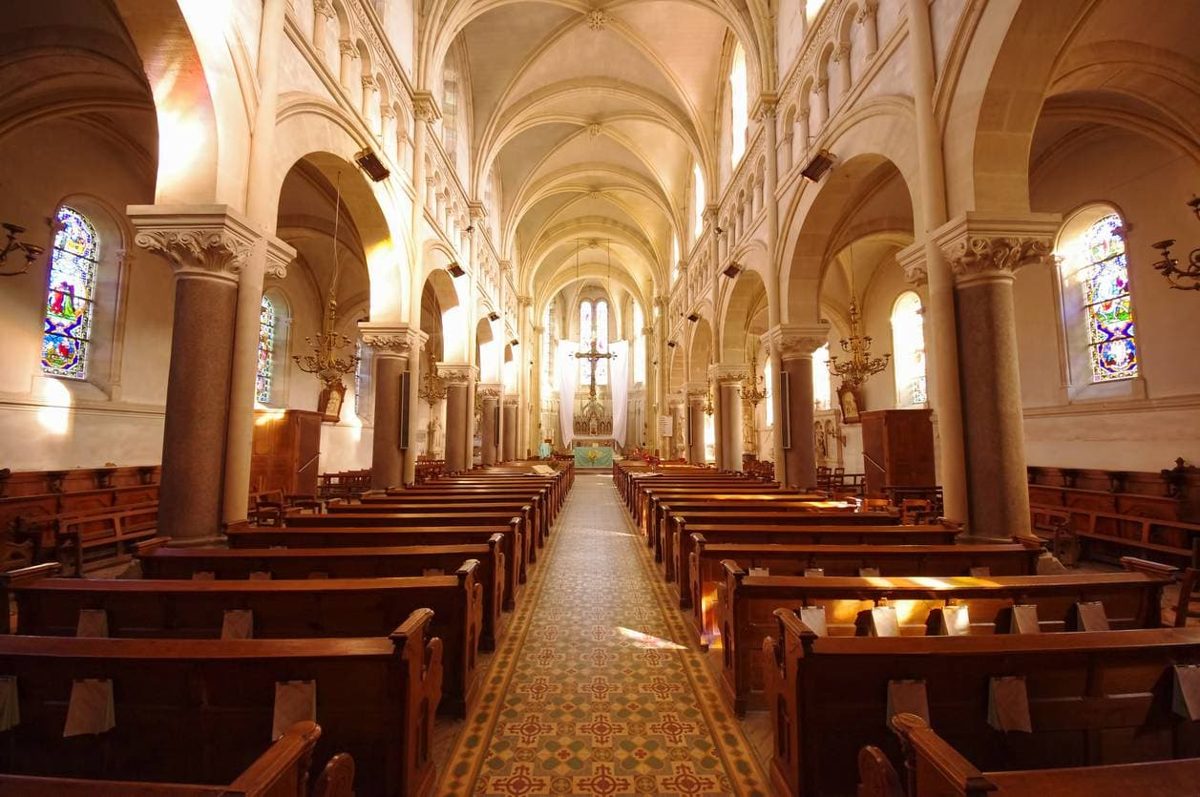
Better known as the "little chapel" or "Notre-Dame de la Fontaine", the Notre-Dame des Dunes chapel ranks among the finest remaining sites in the region. A rare witness to Dunkirk's origins, this chapel was built in the fifteenth century in honour of the Virgin Mary.
Its name, "Notre-Dame de la Fontaine", comes from the 1403 discovery of a spring of pure water in the sand, made by workers restoring the town's ramparts. A small wooden statue of the Virgin Mary, about 32 cm tall, was also found next to this spring, feeding the whole legend surrounding the site. Every 15 August, this statue is carried in procession by the Bazennes, during the blessing of the sea ceremony.
Place Jean Bart
Formerly known as "Place Royale", Place Jean Bart sits at the heart of Dunkirk. This legendary square lies at the crossing of boulevards Sainte-Barbe and Alexandre III, and rue Clémenceau. At the centre of the square stands a work by the famous sculptor David d'Angers: a huge bronze statue depicting the hero Jean Bart as a privateer, sword in hand, facing towards England.
Erected in 1845, this urban public square is one of the spots most loved by visitors, who enjoy strolling there. Place Jean Bart is the meeting point for a number of festive, cultural and fun events. Sporting activities are also held there during the editions of the "Printemps de la Place Jean Bart".
The Musée Portuaire
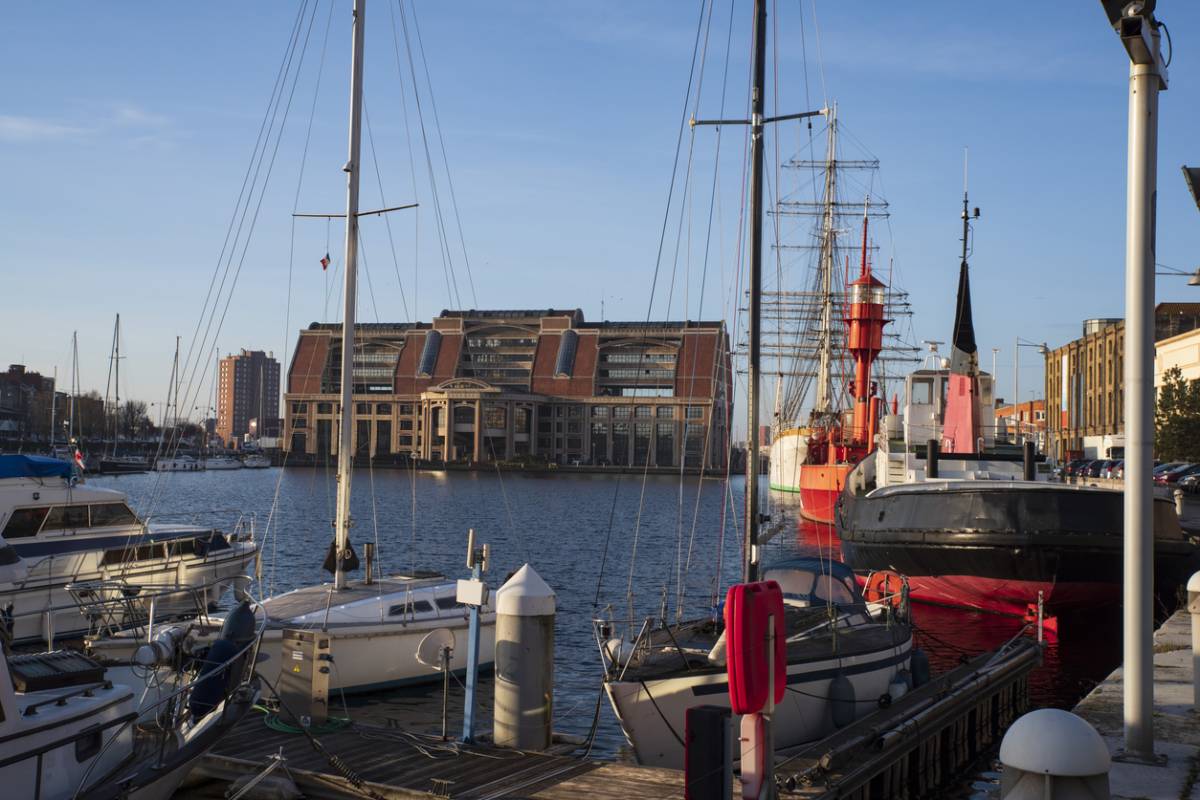
The Musée Portuaire is housed in a former tobacco warehouse dating from the late nineteenth century. This museum tells the history and development of the port of Dunkirk, nothing less than France's third-largest port and one of the great maritime gateways of northern France. The Musée Portuaire traces the birth of Dunkirk and the Guerre de Course on one hand, and the history of Jean Bart and the small fishing hamlet on the other.
Through this museum, you'll also discover the history of the heyday of Iceland fishing, as well as the port's development and its powerful fortifications. Thanks to the coach-and-boat tourist circuit, the workings of this legendary port will hold no more secrets for you. A special visit to the Risban lighthouse is also included in the circuit. Now you know the legendary sites to visit in Bray-Dunes. Treat yourself to good times during your stay.
Read next
 Véronique B
A word on this article?
No reviews yet. Yours will be the first.
The form is unavailable at the moment. Send your review to the editors, we’ll publish it here.