
News
The war museums of Northern France
 Thierry D · 4 min read
Northern France was the scene of terrible fighting during the world wars. Museums let you step back into these dark but decisive moments in our history. A look at the finest war museums in Northern France.
La Carrière Wellington
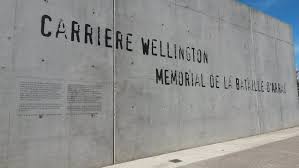
La Carrière Wellington is the memorial to the Battle of Arras. It was a strategic site during the First World War, where a crucial surprise attack on the enemy was secretly prepared underground. Visitors descend several metres below ground themselves, into the galleries that housed the soldiers in the days before the attack. Testimonies and videos carry you through the whirlwind of emotions felt by the young combatants, from their preparation to the final assault.
Le Blockhaus d’Eperlecques

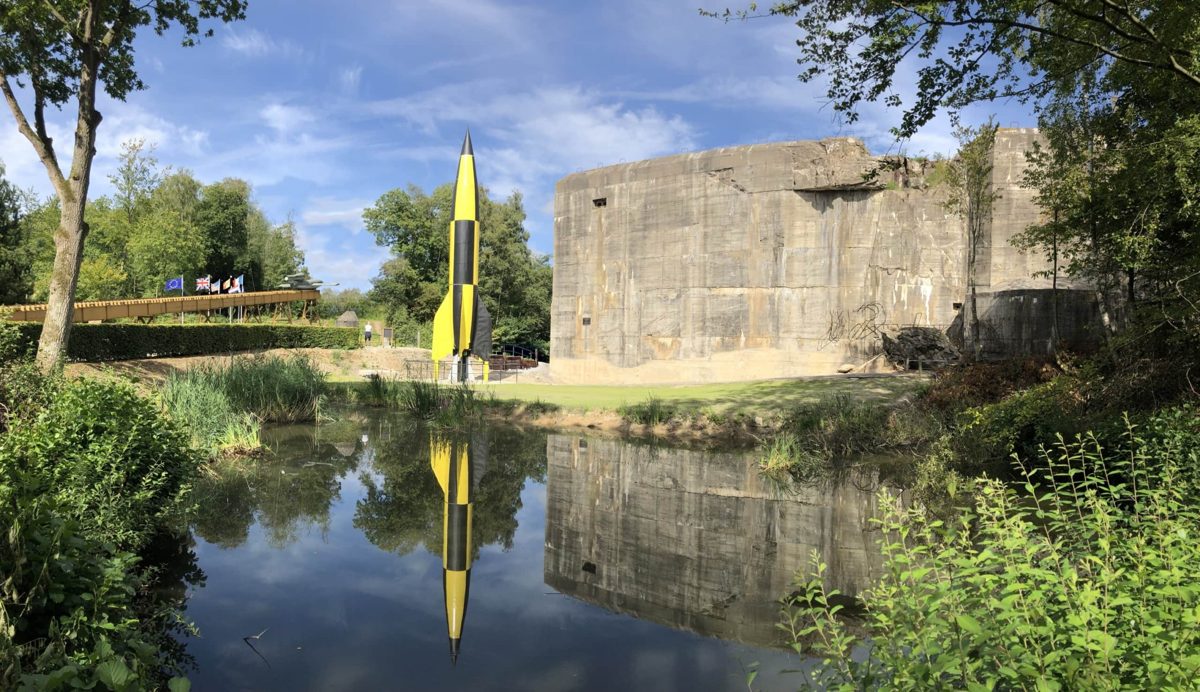
Le Blockhaus d’Eperlecques is a relic of the Second World War, now a listed historic monument. This dense 100,000 m³ block of reinforced concrete was built for the German troops’ planned attack on England, using V1 and V2 rockets built on site. Visitors to Le Blockhaus d’Eperlecques will find audio and video displays, bombs and wartime equipment. The launch ramp with a V1 in position is the highlight of the visit.
Le Musée du Mur de l’Atlantique
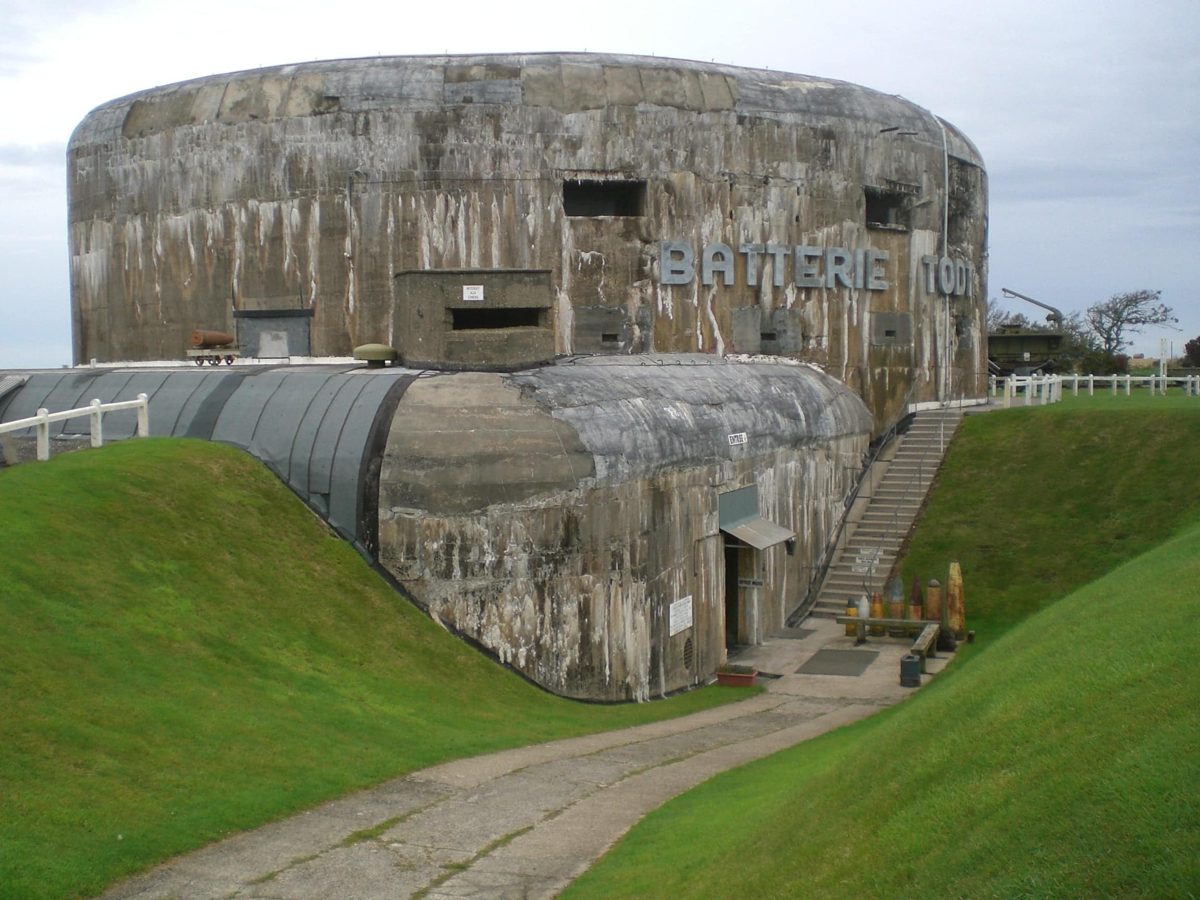
The Atlantic Wall played a key role in the Second World War. One of the Batterie Todt’s bunkers was built here, in the North. Based in Audinghen, the site was chosen for its strategic location, a stone’s throw from Cap Gris-Nez and from Dover in England, easily within range of missiles launched from this base. The Musée du Mur de l’Atlantique lets you explore this as fearsome as it is imposing battery. It is in fact one of the largest bunkers ever built by the German army.
La Coupole
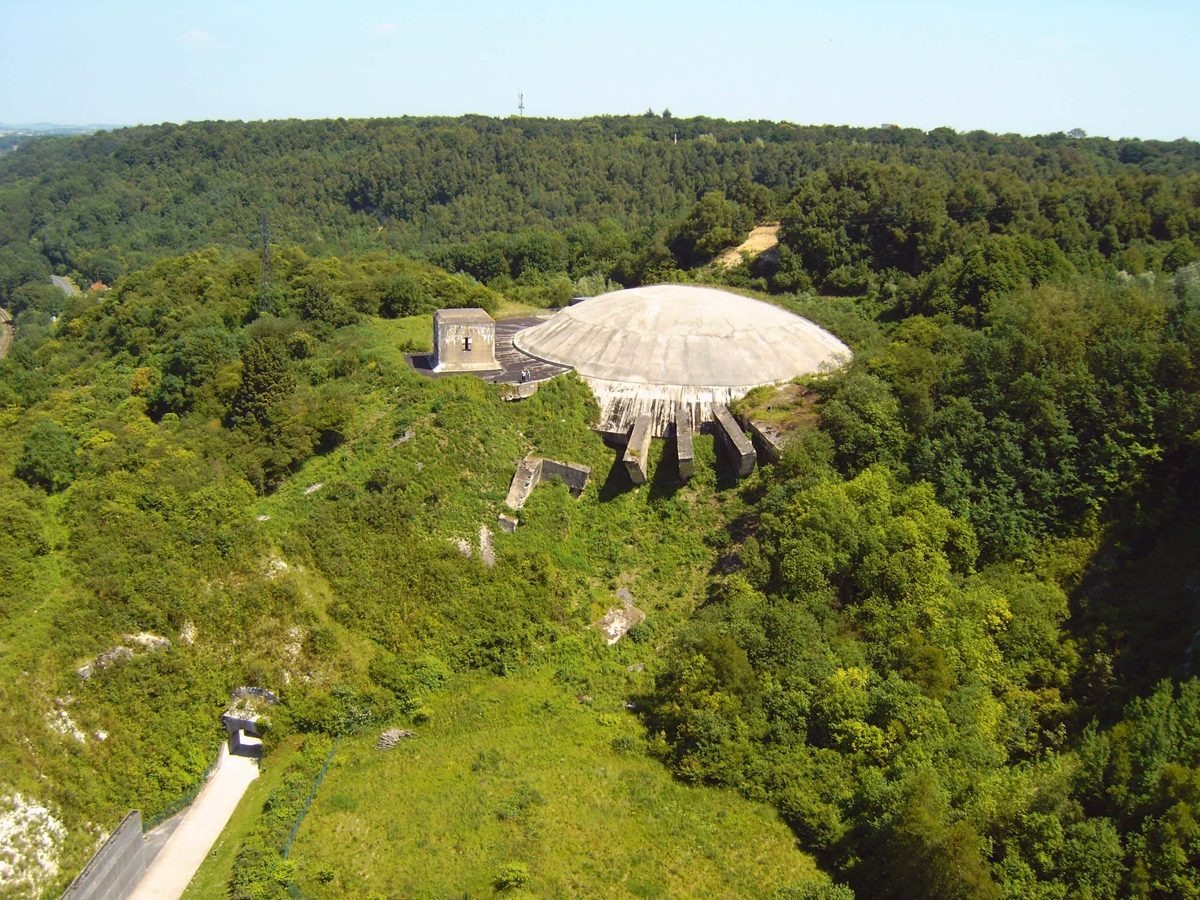
The La Coupole museum in Saint-Omer is a precious legacy of the Second World War. The project was intended for the launch of V2 rockets. Today, the site has become a centre for history and remembrance. Several million visitors have already flocked here to explore two trails. On the first, visitors follow the story of the V1 and V2 rockets and the advances they enabled in the conquest of space. On the second, visitors fully relive the Occupation period, with the invasion by enemy troops, the organisation of everyday life, the Resistance and Collaboration, and the Liberation.
Le Mémorial 14-18 de Lens
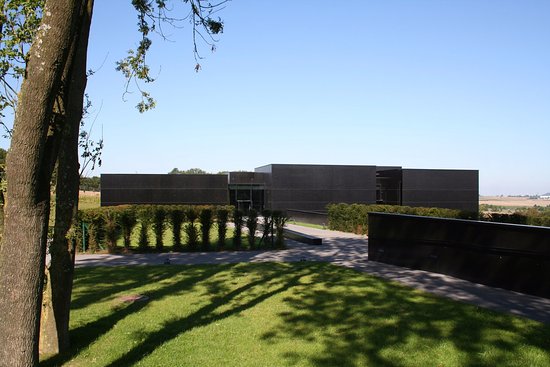
As its name suggests, the Mémorial 14-18 de Lens honours the memory of the First World War. Three separate but complementary areas can be explored. The Centre d’Histoire is a permanent exhibition of objects, photographs, videos, audio documents and maps. Visitors who wish to pay their respects can then do so at the necropolis, the resting place of 42,000 soldiers. It is the largest military cemetery in France. A Ring of Remembrance honours the 580,000 soldiers who fell in the region.
Le Musée Dunkerque 1940 – Opération Dynamo
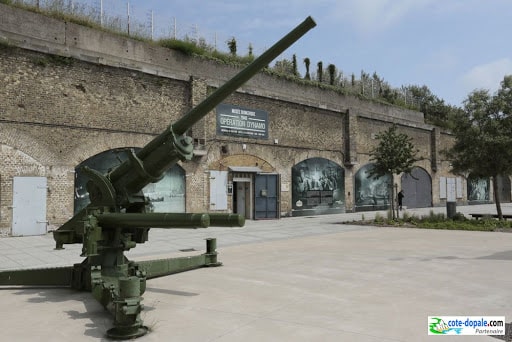
Operation Dynamo is a powerful symbol of the fight waged in the North against the invader during the Second World War. Prepared in the utmost secrecy, the Battle of Dunkirk, whose fighting lasted 9 days, was crucial to the outcome of the war. Le musée Dunkerque 1940 leads visitors through a long, narrow space, where uniformed mannequins, photos, illustrations, videos and sounds, weapons and military equipment bring Operation Dynamo back to life.
Le Musée 39-45
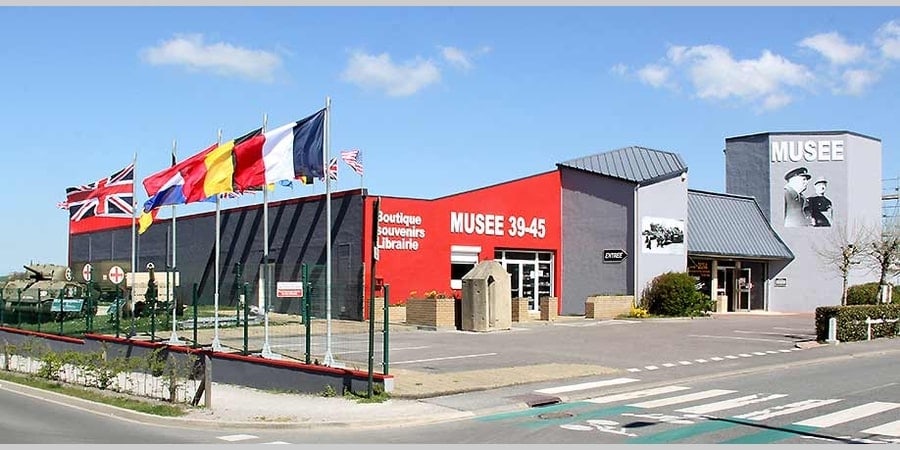
Le musée 39-45 is located in Ambleteuse. Across 800 m², it brings civilian and military life during the Second World War to life. No fewer than 120 uniformed mannequins are on display, along with everyday objects. A film also adds to this immersion in history, made all the more gripping by being screened in a cinema hall typical of the 1940s.
Le musée du 5 juin 1944 – Message Verlaine
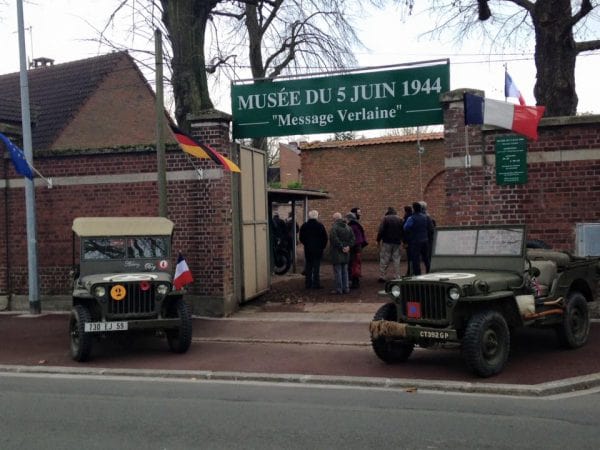
Beyond offering a glimpse of life inside a bunker, this museum in Tourcoing focuses in particular on the work of the Resistance during the Second World War. It is housed in the very bunker that once served as the headquarters of the German 15th Army, whose mission was to intercept the secret messages exchanged by the Resistance. It was here, notably, that the Verlaine message was intercepted, announcing the D-Day landings in Normandy on 6 June 1944.
Read next
 Véronique B
 Anne
Anne
A word on this article?
No reviews yet. Yours will be the first.
The form is unavailable at the moment. Send your review to the editors, we’ll publish it here.