
News
Which beaches on the Opal Coast allow dogs?
 Anne · 4 min read
It isn’t always easy to know where you stand when it comes to walking your dog and making the most of the coastline’s beaches. Some allow dogs freely, others are regulated. The summer season is often restrictive for our four-legged friends. If you’d like to walk your dog on the beaches of the Opal Coast, here’s an article covering what you need to know, plus a few tips for a stress-free walk with your pet!
Walking your dog off the lead on the beach
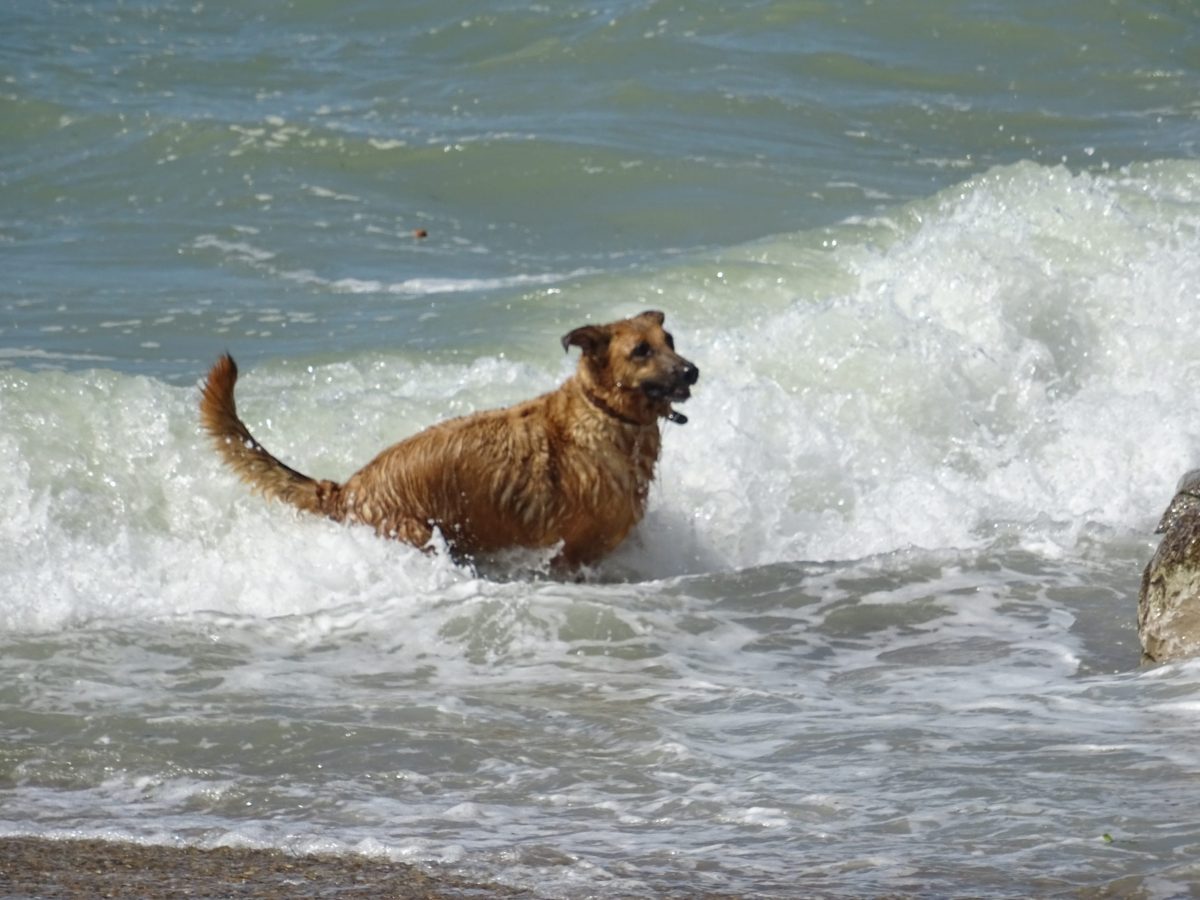
What a joy to see your dog stretch its legs with no restrictions! Running free, fur in the wind, nose to the ground! But these free-access beaches are extremely rare. Always check with the local council or the information boards on site. Watch out for fines if the rules aren’t followed. Here are two beaches where your dog can run and play freely:
▶️ Sangatte: from the end of the breakwater to the VVF steps;
▶️ Dannes.
The beaches of the Opal Coast that allow dogs
For the comfort and wellbeing of everyone using the seafront, some stretches of sand are banned or regulated. To make things clearer, here’s a table listing the main beaches and their rules:
| Towns | dogs allowed off the lead | dogs allowed on a lead | strictly banned |
| Oye-Plage | – Hemmes d’Oye beach and the campsite – Plantier d’Oye nature reserve | swimming zone of the Escardines beach from 1 July to 31 August | |
| Sangatte | – from the end of the breakwater to the VVF steps | on a lead on the rest of the beach | zone de baignade surveillée and the gulls’ area up to Calais beach |
| Calais | along the breakwater, and all year round from 7pm to 9am | between 15 May and 15 October | |
| Marck | Hemmes, Marck and Fort-Vert beaches, all year round | ||
| Escalles | allowed on the cran | from 15 May to 15 September | |
| Wissant | beach along the Aval dune; allowed after 7pm on all beaches | from 15 June to 15 September | |
| Le Touquet | – south of the thalassotherapy centre – north (at the start of the dunes) | – from the start of the February school holidays to the end of the autumn half-term. – in front of the bathing huts or the terraces on the seafront | |
| Boulogne-sur-Mer | from 1 May to 30 September | ||
| Dannes | allowed | ||
| Le Portel | beyond the barsiers and the hoverport | main beach and lower breakwater from 1 May to 30 Sept | |
| Équihen Plage | from 1 June to 30 September on the main beach and supervised swimming zones | ||
| Hardelot | allowed everywhere, with bags provided for waste | from 1 July to 15 September in the swimming zone | |
| Wimereux | unsupervised beaches, particularly the one north of the Pointe aux Oies | the ends of the breakwater (outside swimming zones) and from 1 October to 14 April | all year round on the promenade, and on the beach from 15 April to 30 September between the sailing centre and the north breakwater |
Walking your dog: tips and good practice
A walk is your four-legged companion’s moment of relaxation. This time together is often expected, even demanded: impatience, restlessness, barking and so on are signs that don’t lie.
🐶 It’s recommended to walk your dog for 15 to 30 minutes, three times a day. This obviously varies with your pet’s age and breed.
🔺 Check the current rules with your home town or holiday resort. Generally speaking, health regulations state that “dogs may only be out on public roads in urban areas if kept on a lead”. In France, it’s local council orders that set out where dogs must be kept on a lead. Here, for example, is the one for Touquet-Paris-Plage.
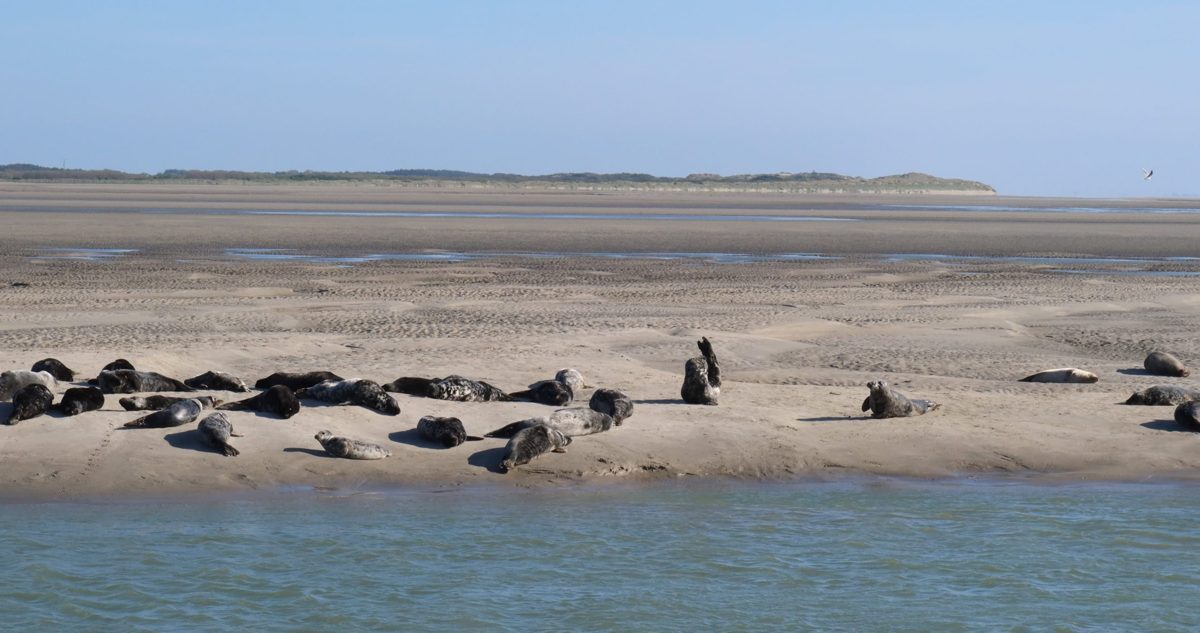
💡 Our beautiful Opal Coast is rich in extraordinary biodiversity. You can regularly spot the seal colonies that live along the coast. These are wild animals that must not be disturbed. Make sure your dog doesn’t venture into their territory. It can cause them stress and be perceived as a threat, especially if young seals are under their parents’ protection.
🕛 As with any beach activity, it’s essential to know the tide times. A rising tide can quickly create little islands and trap animals and their owners. Stay alert!
🌊 Many dogs love jumping and splashing about in the water. It gives them a brilliant playground and doubles as real exercise, ideal for keeping them fit: it works their muscles and tendons and strengthens their cardiovascular system. But salt water and sand can also cause a few problems:
- dehydration or vomiting if a lot of seawater is swallowed;
- skin irritation;
- irritation of the ears and eyes.
So plan a good rinse with fresh water afterwards to avoid any trouble!
💩 Lastly, and probably the most important point: pick up after your dog! Be considerate and don’t leave your dog’s mess on public roads, the beach or any other public space. The fine can range from 35 to 350 euros!

Read next
A word on this article?
No reviews yet. Yours will be the first.
The form is unavailable at the moment. Send your review to the editors, we’ll publish it here.