
News
How to see the seals of the Opal Coast and Bay of the Somme
 Anne · 3 min read
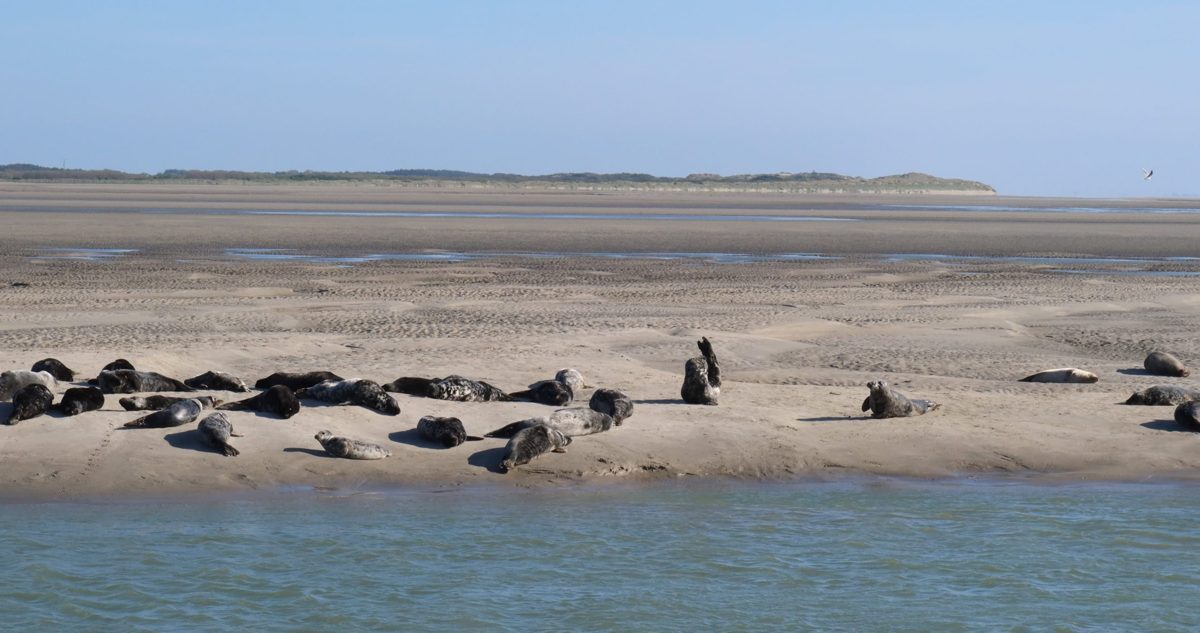
The coastline of Hauts-de-France enjoys exceptional biodiversity. If there's one species that draws a particularly large number of visitors, it's our friends the seals. More and more curious onlookers come to watch this marine mammal, a familiar sight on the sandbanks of the Opal Coast. Here's some useful information to make sure you give yourself every chance of a successful encounter.
Where to see seals in Hauts-de-France?
On the Opal Coast
- Cap Gris-Nez, near the GR® 120 trail;
- Équihen beach;
- the Bay of the Authie, straddling the Somme and the Pas-de-Calais.
In the Bay of the Somme
- along the White Road (for walkers and cyclists), between Le Hourdel and Cayeux-sur-Mer;
- Le Crotoy;
- Saint-Valery-sur-Somme.
Which seal species live on the Opal Coast?
Take a close look at the seals along the beaches of the Opal Coast or the Bay of the Somme, and you'll notice small physical features that help tell two different species apart:
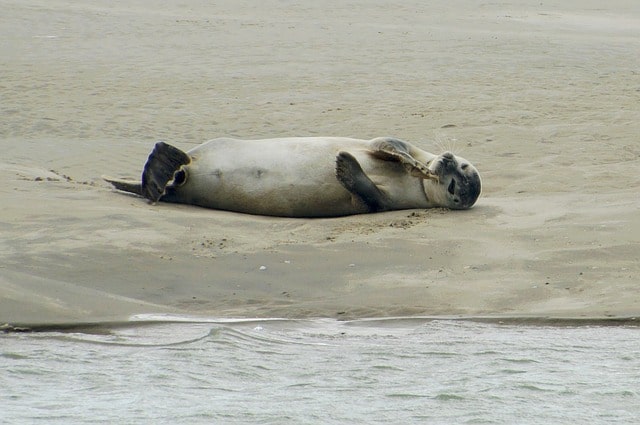
The common seal
This is the most common species on our beaches. The common seal, or harbour seal, is smaller, with a rounder head. Adult males can reach 2 m and weigh between 70 and 170 kg. Females measure 1.50 m, with a maximum weight of 150 kg.
The grey seal
Bulkier than the common seal, the grey seal has a longer, straighter snout. Its grey coat with black patches is slightly paler in females, which are also smaller (2 m and 200 kg) than males, which can measure up to 3 m and weigh 250 kg as an adult.
Both species live in perfect harmony on our beaches. Grey seals have a preference for rocks (particularly for giving birth). They share the same life expectancy (around 25 years for males and 30 for females). The largest colony is found in the Bay of the Somme, with close to 500 individuals.
What's the best time to see seals?
For the best chance of spotting these marine mammals, it's easier to wait for low tide. That's when the seals come to rest on the sandbanks.
At high tide, arm yourself with binoculars for a chance of spotting the small heads of these excellent swimmers poking above the water.
Birthing periods are also good times for observation, but take care not to disturb the families. Seals are peaceful animals, but they can easily be startled and head back into the water to avoid danger. This separation is stressful for the whole colony and leaves newborns vulnerable.
Depending on the species, births take place:
– in June, July, August for common seals;
– from December to February for grey seals.
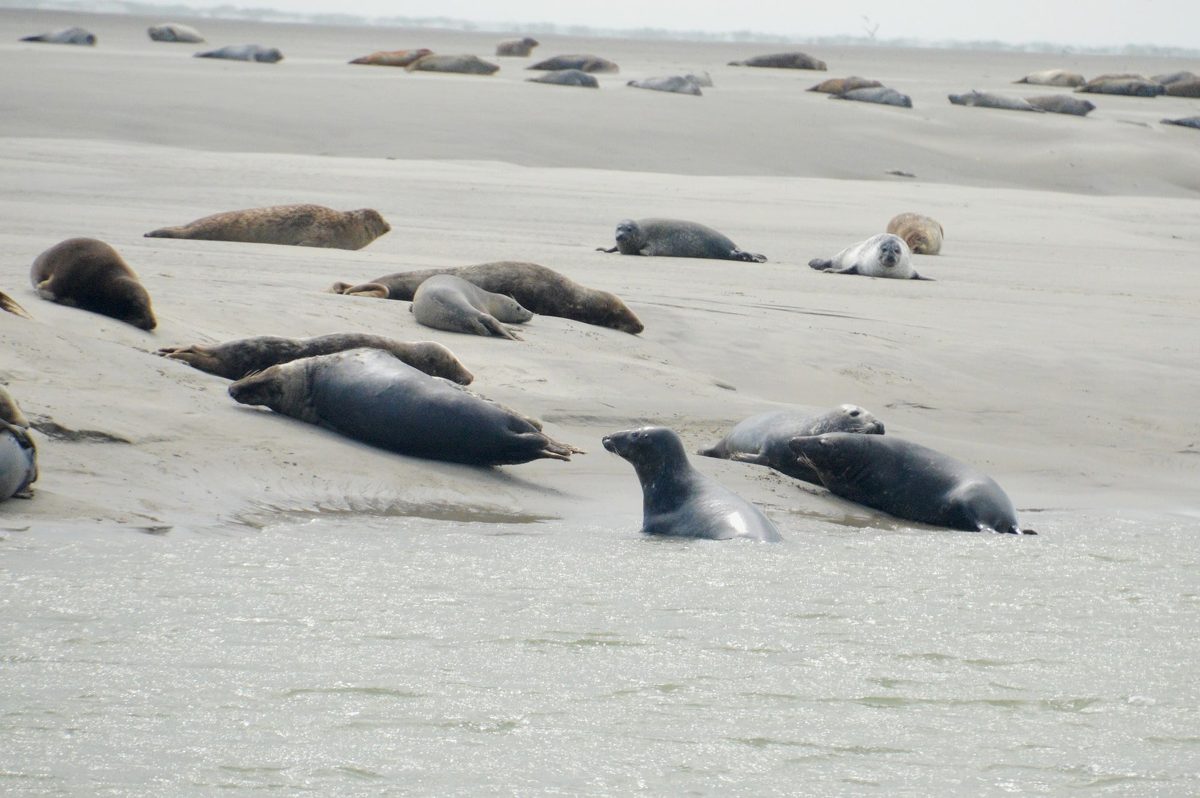
The rules to follow to observe seals responsibly
- On land, stay 300 metres from any animal.
- The seal is curious: if it comes towards you in the water while you're kayaking or canoeing, don't touch it!
- Don't approach young seals. As tempting as it is to get close to these living cuddly toys, keep your distance and leave them in peace.
- Always check the tide times: beaches at low tide can be dangerous, because the sandbanks are covered quickly again as the tide comes in, leaving you trapped by the water.
- Finally, don't leave your four-legged companions unsupervised or off the lead near seals, to avoid the risk of bites or contamination.
📌 Discover other must-sees not to be missed during a weekend on the Opal Coast
Read next
 Thierry D
A word on this article?
No reviews yet. Yours will be the first.
The form is unavailable at the moment. Send your review to the editors, we’ll publish it here.