
News
GR® 120: the finest stretches of the coastal path
 Anne · 5 min read
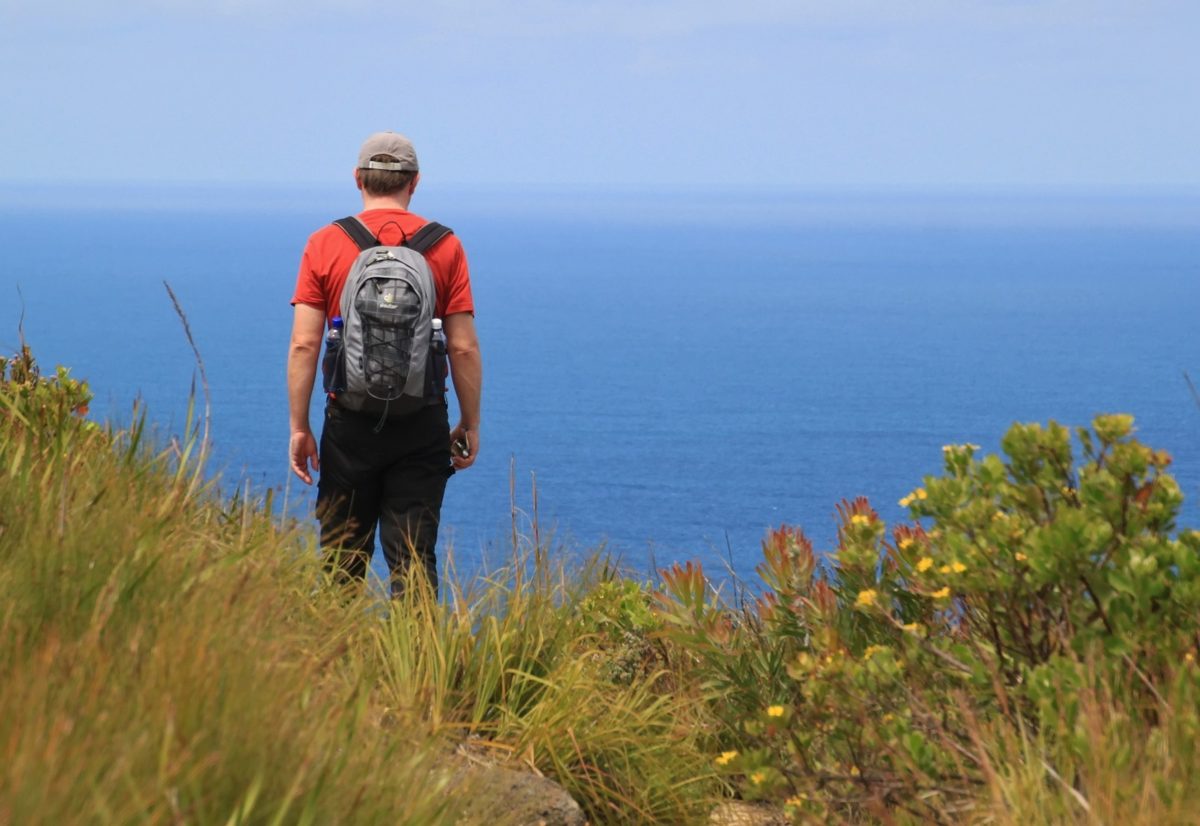
Set off hiking across 4 départements; cover the 300 kilometres and enjoy the finest views the Hauts-de-France coast has to offer, or opt for a shorter version and link up a few outstanding sites over a shorter distance and time? That's what the GR® 120 offers you. Also known as the coastal path or the old customs officers' path, you can easily walk it in full or tackle just some sections of this hike through wonderfully varied landscapes. Discover the finest stretches of this adventure, which takes you from Bray-Dunes to Le Tréport.
The coastal path: an exceptional hike
The old customs officers' path… that's one of the names for the GR® 120. At the start of the last century, customs officers on foot used the paths running alongside the coast, which allowed them to watch for and arrest smugglers. Today the means of surveillance are very different, but the paths themselves are still there and still maintained, especially on the stretches that have since become a major tourist asset for the areas concerned.
Marked with white-and-red posts, the GR® 120 follows the coast from Bray-Dunes to the town of Le Tréport. It runs along the coast of the Flanders dunes, the Opal Coast, the Picardy coast and the Alabaster Coast. Of the 5 départements of the Hauts-de-France, it crosses 3 of them:
- Nord;
- Pas-de-Calais;
- Somme;
- and one département in Normandy: Seine-Maritime.
This hike is accessible to everyone — most of the route runs over flat ground. The tougher, hillier sections come at the capes and on the final kilometres before reaching Le Tréport.
If you don't walk the whole route, it's fairly easy to arrange the trip back to your starting point, not least thanks to the train stations serving the coast.
GR® 120: the stretches not to miss
Charming villages and seaside resorts
Wissant
At the foot of cap Blanc-Nez, Wissant is the last village where fishing is still done from a flobart, the traditional flat-bottomed boat.
Audresselles and Ambleteuse
Charming, unspoilt fishing villages. In Ambleteuse, be sure not to miss the majestic fort, surrounded by water at high tide. Of the 7 forts that once defended the Boulogne roadstead under Napoleon, Ambleteuse's is the only one still standing north of Cherbourg.
Wimereux
A seaside resort with Anglo-Norman-style villas, Wimereux is the charming stretch on the path. A lovely seafront, hotels and villas with remarkable architecture, remnants of the Belle Époque, when wealthy families came here on holiday by the sea.
The remarkable Two Capes site
Cap Blanc-Nez and Cap Gris-Nez, both listed as a Grand Site de France, make for a superb stretch of the path. This is where your calves will feel it a bit more, with a steeper climb, but the effort is rewarded by the beauty and grandeur of the place. From the top of cap Blanc-Nez, take in England's white cliffs, a view over cap Gris-Nez, Wissant bay and the town of Boulogne-sur-Mer outlined further off.
Nature reserves and parks
Platier d'Oye nature reserve
Between Calais and Dunkirk, a real haven for many migratory species and so a paradise for birdwatchers. Close to the sea, peaceful, rich in biodiversity… here you can take your time observing the wealth of local wildlife and plant life in a protected setting.
Canche bay nature reserve
Watch out for the tides when crossing this estuary of incredible landscapes. We're now south of the Marais d'Opale national park, and it's where several environments meet: the river flowing into the sea, and ancient dunes covered in vegetation, shaped by the wind, provide a refuge for numerous species.
Somme bay and the Marquenterre park
Mudflats, dunes, salt marshes… the marked path lets you discover this haven of peace, a refuge for a wide variety of wildlife and plant life. Seal colonies laze on the sandbanks and can be admired (from a respectable distance, so as not to disturb them!).
💡The little Somme bay train will save you the last few kilometres to Saint-Valéry and offers a well-earned rest after this fairly long stretch.
A few tips on the GR® 120
🚉 How to get there:
By train or by car, you can easily reach the coastal path. Just 3 hours from Paris and 2 hours from Lille, it's easy to plan your trip, as many towns are served by train (Dunkirk, Calais, Wimereux, Boulogne, Le Touquet, Fort-Mahon, Le Crotoy, Le Tréport).
🧳Kit:
The hike is accessible and free of any major difficulty, but naturally, suitable kit is essential:
- Good waterproof footwear: plenty of wet, muddy patches lie ahead!
- A tide timetable, as some sections are inaccessible or hard to cross at certain times. Always put your safety first!
- A waterproof jacket to cope with whatever the weather throws at you!
- A water bottle (it's easy to restock along the way).
⛺ Accommodation:
Wild camping is banned along most of the coast, but you'll find plenty of hotels, guesthouses, campsites, and more. Book ahead where you can, as the Hauts-de-France is a very popular tourist region. Busy periods in good weather can make it harder to find somewhere! If you're hiking in the low season, on the other hand, check availability at the various places to stay, as many addresses may be closed.
Whether you walk it in full or only in part, this hike will amaze you with its variety. Ever-changing landscapes, paths that run through lively towns and peaceful little villages alike; sweeping views and abundant nature; you'll find calm, even solitude, on some stretches, and then the buzz of towns and tourist activities. The GR® 120 will be a feast for the eyes. Discover which stretches become your favourites!
Read next
A word on this article?
No reviews yet. Yours will be the first.
The form is unavailable at the moment. Send your review to the editors, we’ll publish it here.