
Dunkerque
Dunkirk carnival 2027
From 7 to 9 February 2027Les Trois Joyeuses 2027
Three months of bandes and balls, and the only crowd where everyone links arms
- Free (the bandes)
- From January to April
- Since the 17th century
- Herring-throwing
Les Trois Joyeuses 2027
from 7 to 9 February 2027
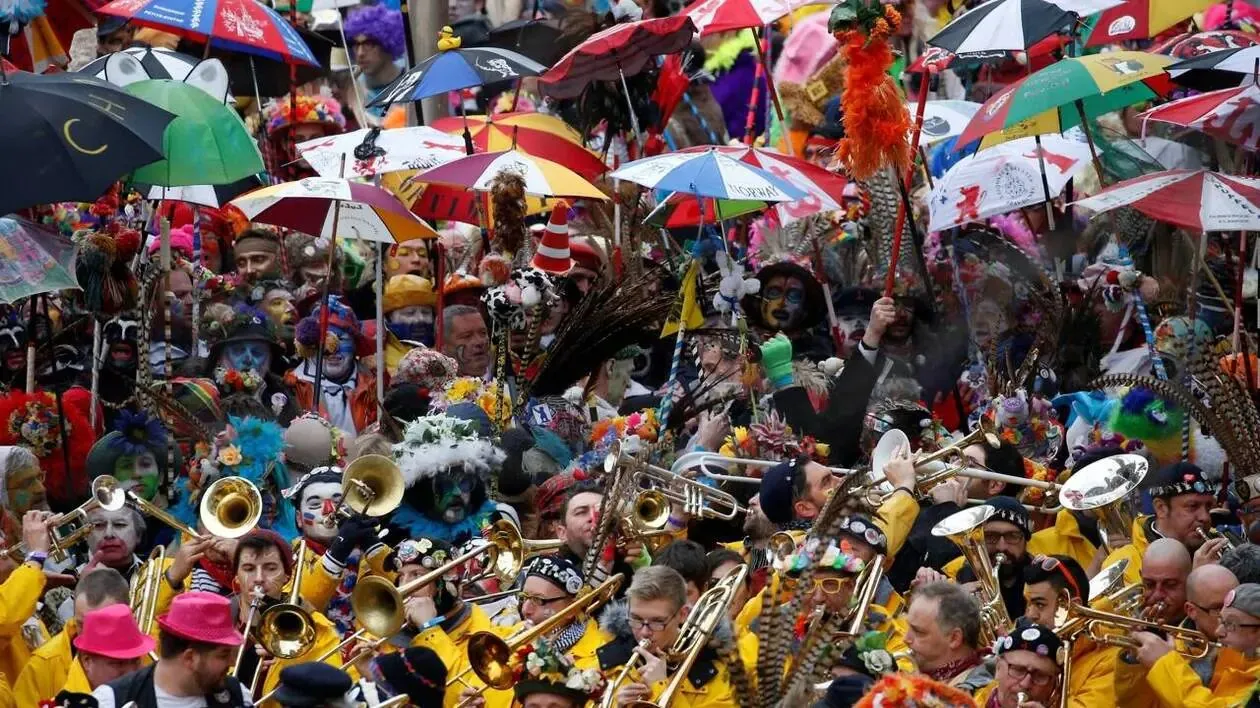
The peak of the season: the Dunkirk bande, known as the fishermen's bande, on the Sunday; the Citadelle bande on the Monday; the Rosendaël bande on Shrove Tuesday. Around them, some thirty other bandes run from January to April across the towns of the Dunkirk area.
Next edition
Dates not yet announced
The event takes place from january to april, every year.
- Where
- Dunkirk and the towns of the Dunkirk area
- Price
- The bandes are free. The balls are paid.
- Crowds
- Up to 30,000 revellers in a single bande
This is not a parade. Nobody watches Dunkirk carnival from the pavement: you step into it, link arms with the people next to you, and move forward. That's what makes it so disorienting for first-timers, and impossible to forget afterwards.
The earliest documented traces go back to 1397: shipowners gave sailors a meal and a party before they set off to fish for cod off Iceland, a voyage of several months from which not everyone returned. Six centuries on, people still sing the same songs, for the same reason.
A bande, a ball, a chapelle: the vocabulary
None of it makes sense without these five words. They come up everywhere, and nobody explains them on the day.
- The bande The procession itself. Thousands of revellers march behind a band of musicians led by the tambour-major. It's tightly packed, you get pushed, and that's the whole point: the front rows form a compact mass that sways from one side of the street to the other.
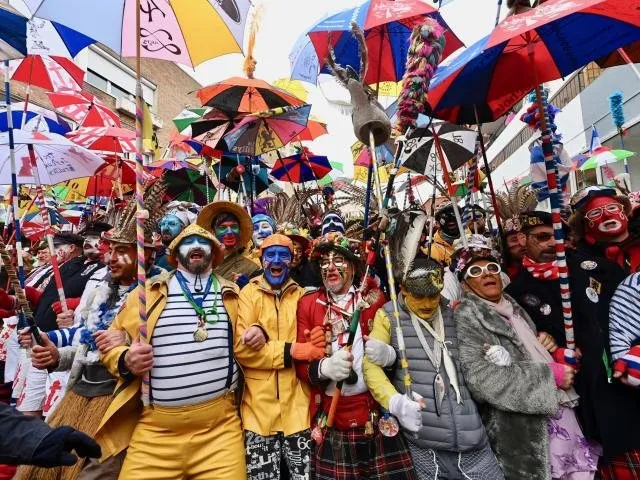
- The clet'che The costume. Colourful, eccentric, often handed down and patched up year after year. There's no theme and no competition: the clet'che isn't fancy dress, it's a working outfit.
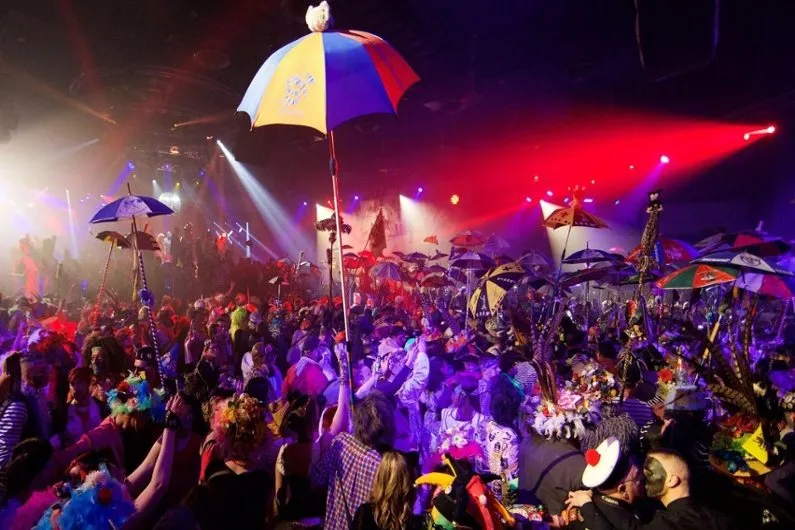
- The ball The evening that follows, indoors. It's paid, often sold out well in advance, and it's where the full song repertoire is sung.
- The chapelle A flat or house opened up for the season, where people drop in to drink and sing. You don't just walk in: you have to be invited.
- The rigodon The finale. The bande kneels down in the street, then rises together as one, roaring. It's the last moment, and the one not to miss.
The herring-throwing
The high point of the Dunkirk bande. The bande stops in front of the town hall, the mayor and his guests appear on the balcony, and hundreds of wrapped herrings are thrown into the crowd.
The tradition dates back to 1962. Catching a herring in mid-air is the reward of the day — and a good reason to look up rather than watch your feet.
The rules nobody will tell you
- You dress up. Turning up in plain clothes in the middle of a bande marks you out as a spectator at a party that has none.
- You don't let go of the people next to you. The crowd moves forward and back as one block; holding on is what keeps you on your feet.
- You don't photograph people without speaking to them first. Carnival is a moment of licence, not a backdrop.
- You don't touch anyone. Carnival's tolerance stops exactly where everyday tolerance begins.
- You let emergency services through and follow the instructions of the armband-wearing stewards.
When exactly does carnival take place?
The season runs from January to April, town by town. But everyone thinks first of the Trois Joyeuses: the three days leading up to and including Shrove Tuesday, in Dunkirk itself.
As Shrove Tuesday is set by Easter, the date shifts every year. The full calendar of bandes and balls is published by the town of Dunkirk at the start of the season — it's the only source to trust.
Getting there, parking, staying over
Dunkirk sits at the northern tip of the Opal Coast, an hour from Lille via the A25 and an hour and a half from Boulogne-sur-Mer via the A16. Dunkirk station is a few minutes' walk from the centre, and by far the simplest way in on bande days: the town centre is closed to traffic and the surrounding streets are gridlocked well before the off.
For somewhere to stay, book early: the Trois Joyeuses fill up the Dunkirk area and spill over into Bray-Dunes, Zuydcoote and Malo-les-Bains.
Plan your day
Our 3 places to stay
Where to stay in Dunkirk for the event?
Our favourite
To sleep facing the beach
Radisson Blu Grand Hôtel & Spa
A four-star hotel facing Malo-les-Bains beach, with an indoor pool and spa.
Hotel · Malo-les-Bains
For the town centre
Hôtel Borel
A four-star hotel in central Dunkirk, forty-eight rooms.
Hotel · Dunkirk centre
For a stop in town
Best Western Plus Hôtel Cargo
A hotel in central Dunkirk, two kilometres from the beach.
Hotel · Dunkirk centre
Our 3 restaurants
Where to eat in Dunkirk?
Our favourite
To eat on the Malo sea wall
La Cocotte
A traditional restaurant on digue de Mer, facing Malo-les-Bains beach.
Restaurant · 55 digue de Mer
For a bistro-style table
Wood & Bro
A restaurant on digue des Alliés, in Malo-les-Bains.
Restaurant · 3 digue des Alliés
For fish
L'Iode
A fish and seafood restaurant on the Malo-les-Bains seafront.
Fish and seafood · Malo-les-Bains
On the Opal Coast
Other major events
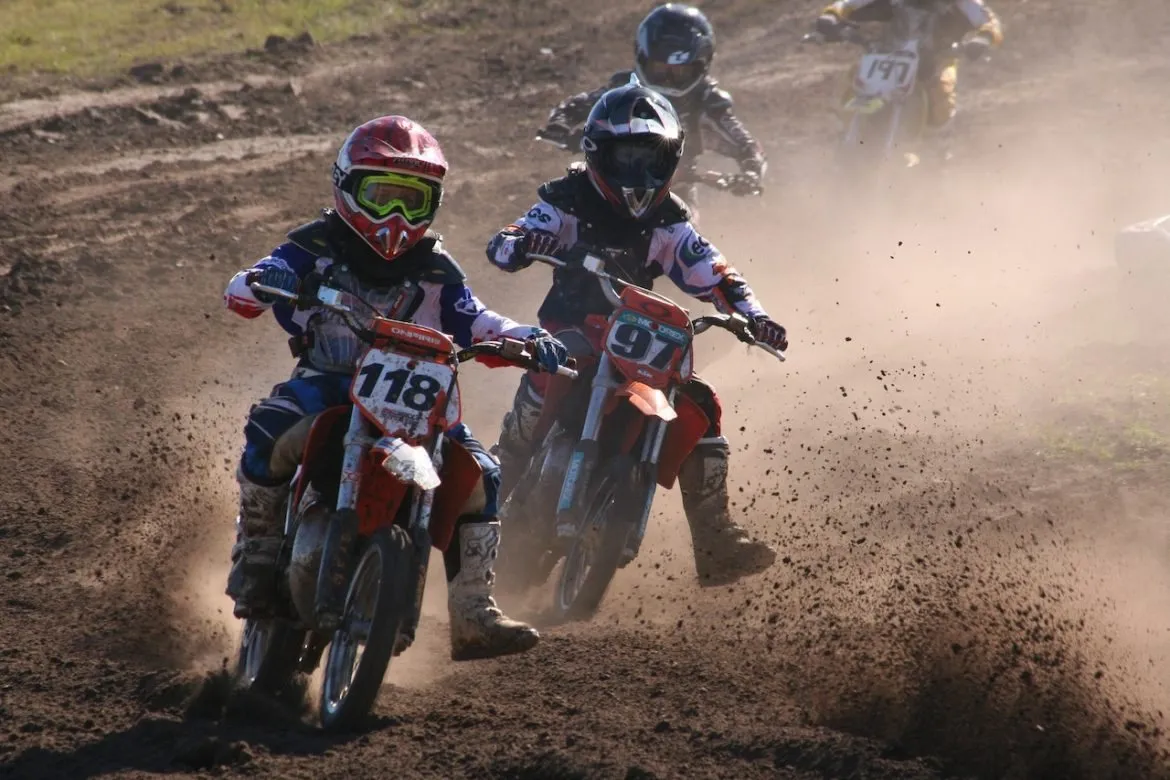 Late January, every yearEnduropale du TouquetThe biggest beach motorbike race, over ten kilometres of sand
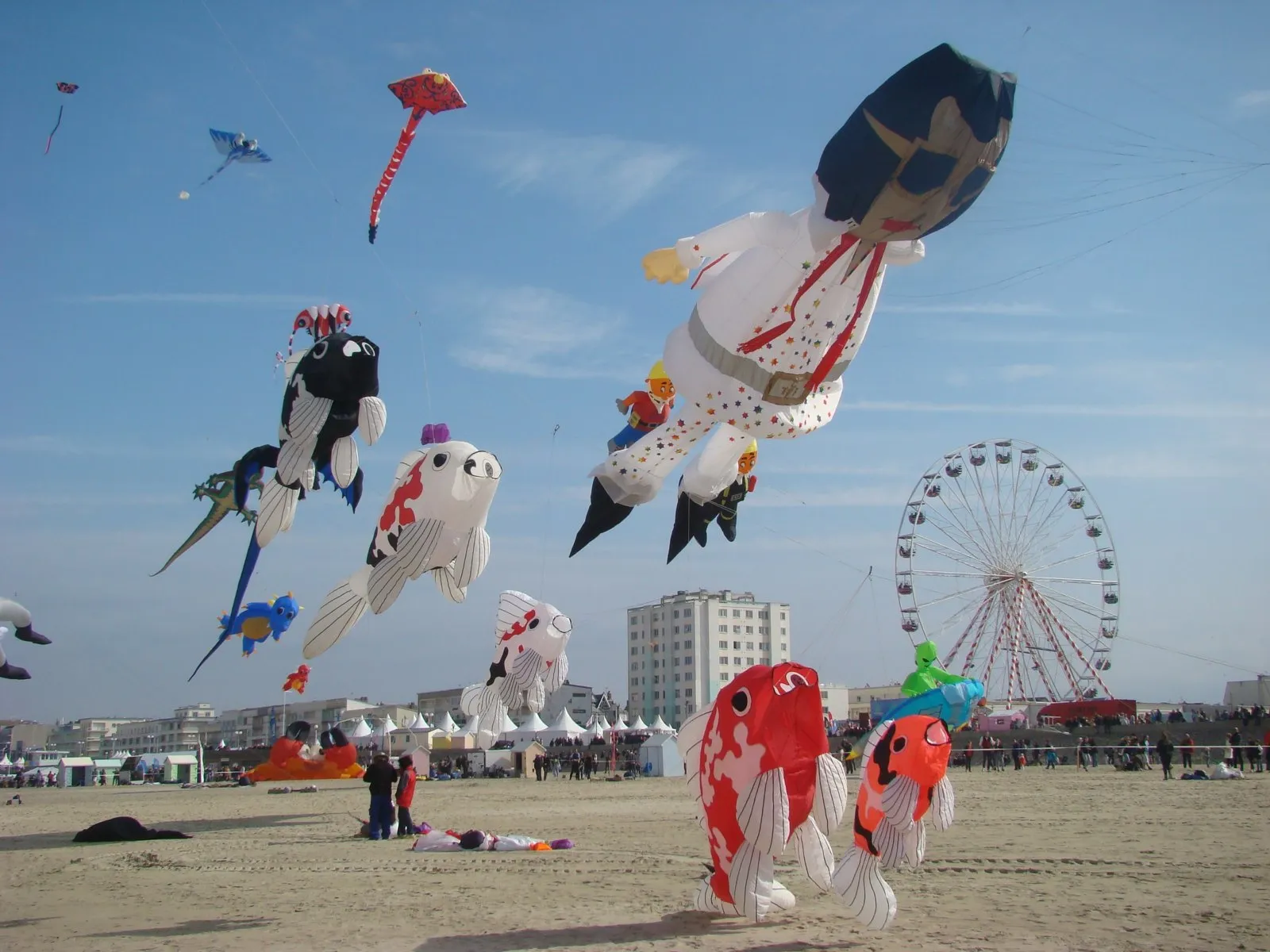 Every year in AprilBerck-sur-Mer kite festivalNine days of aerial ballet over ten kilometres of beach, and it's free
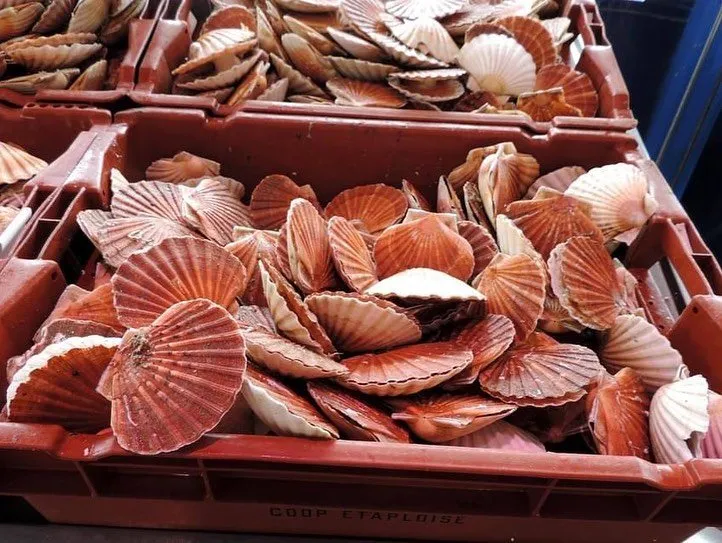 In spring, every yearÉtaples scallop festivalTwo days of harbour festivities to mark the end of the scallop season
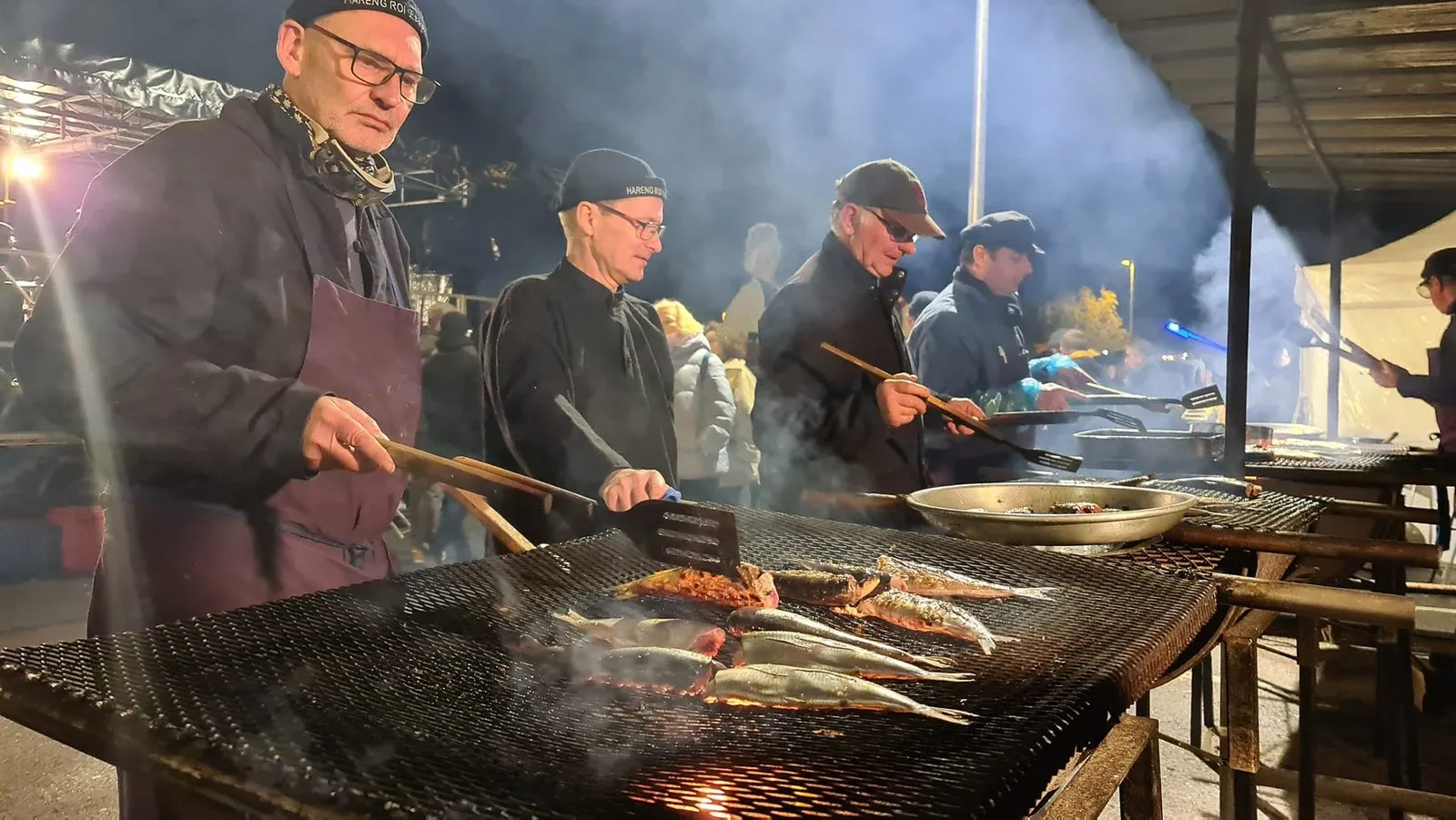 Mid-November, every yearÉtaples Herring King festivalThree tonnes of smoked herring in one weekend, right on the quayside
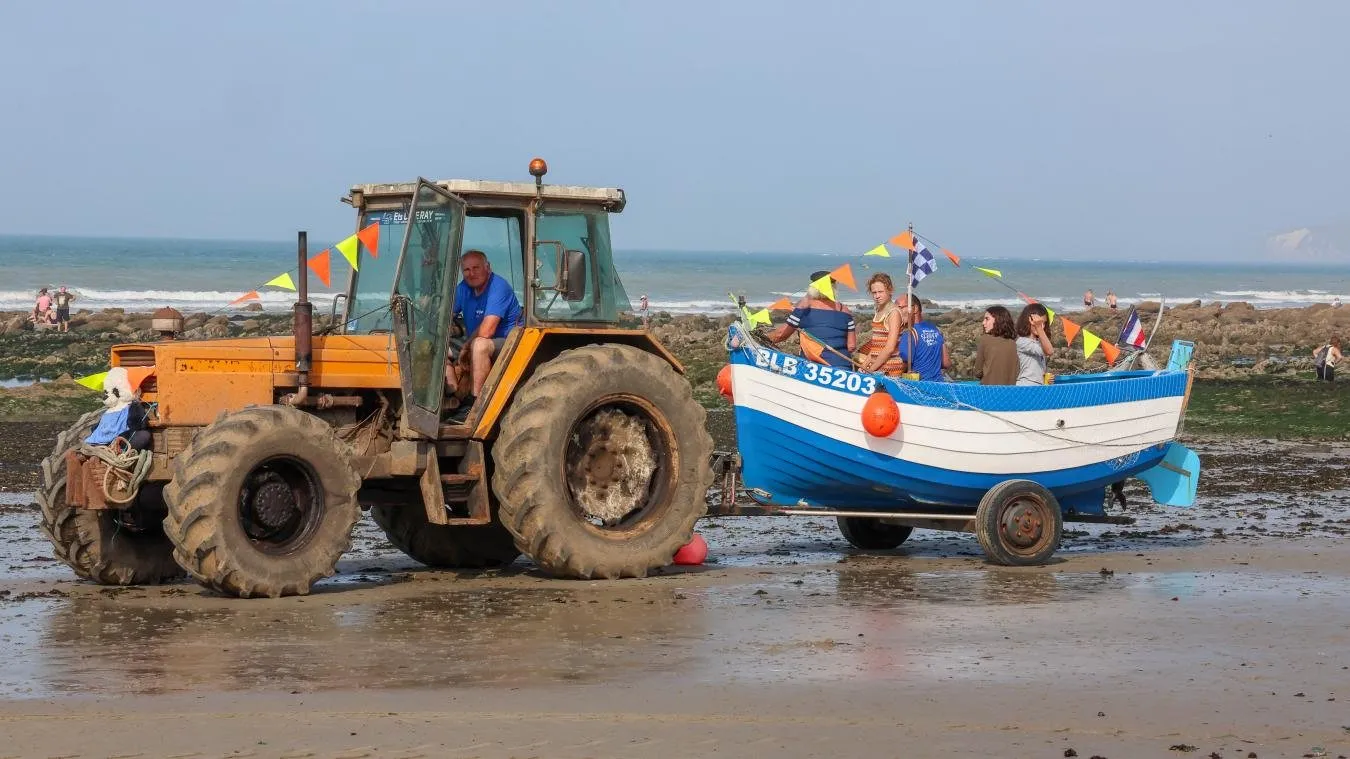 Late August, every yearWissant flobart festivalThe flat-bottomed boat born of a coast with no harbour, celebrated every late summer
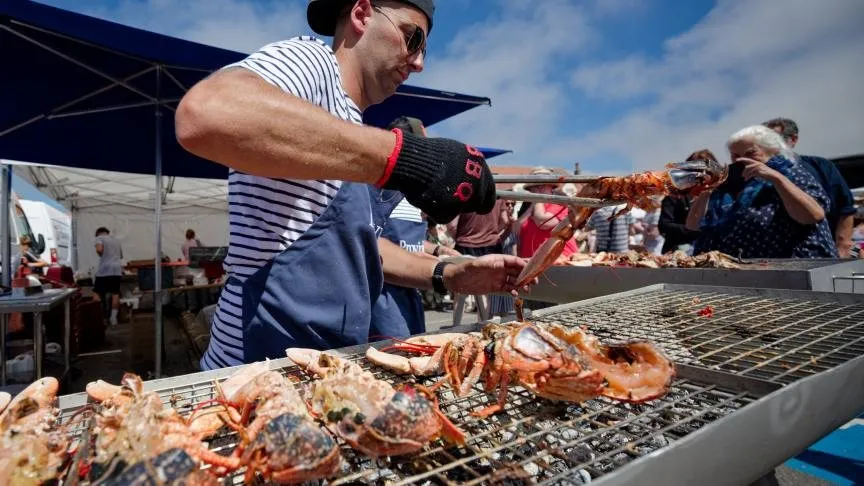 Early summer, every yearAudresselles crab festivalHalf a century of crab, flobarts and concerts on the village square
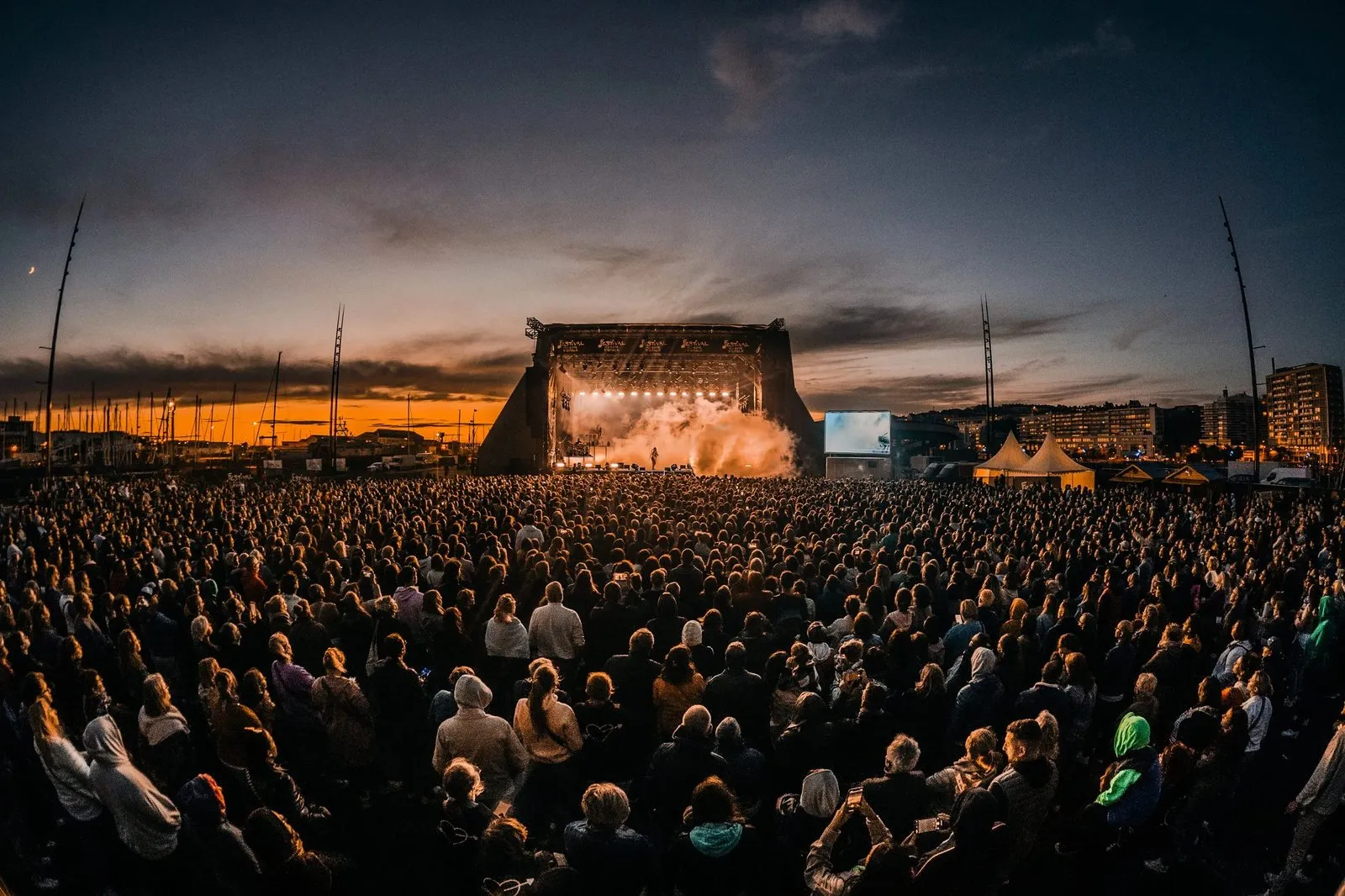 Early July, every yearFestival de la Côte d’OpaleFour nights of French-language music facing the harbour, since 1976
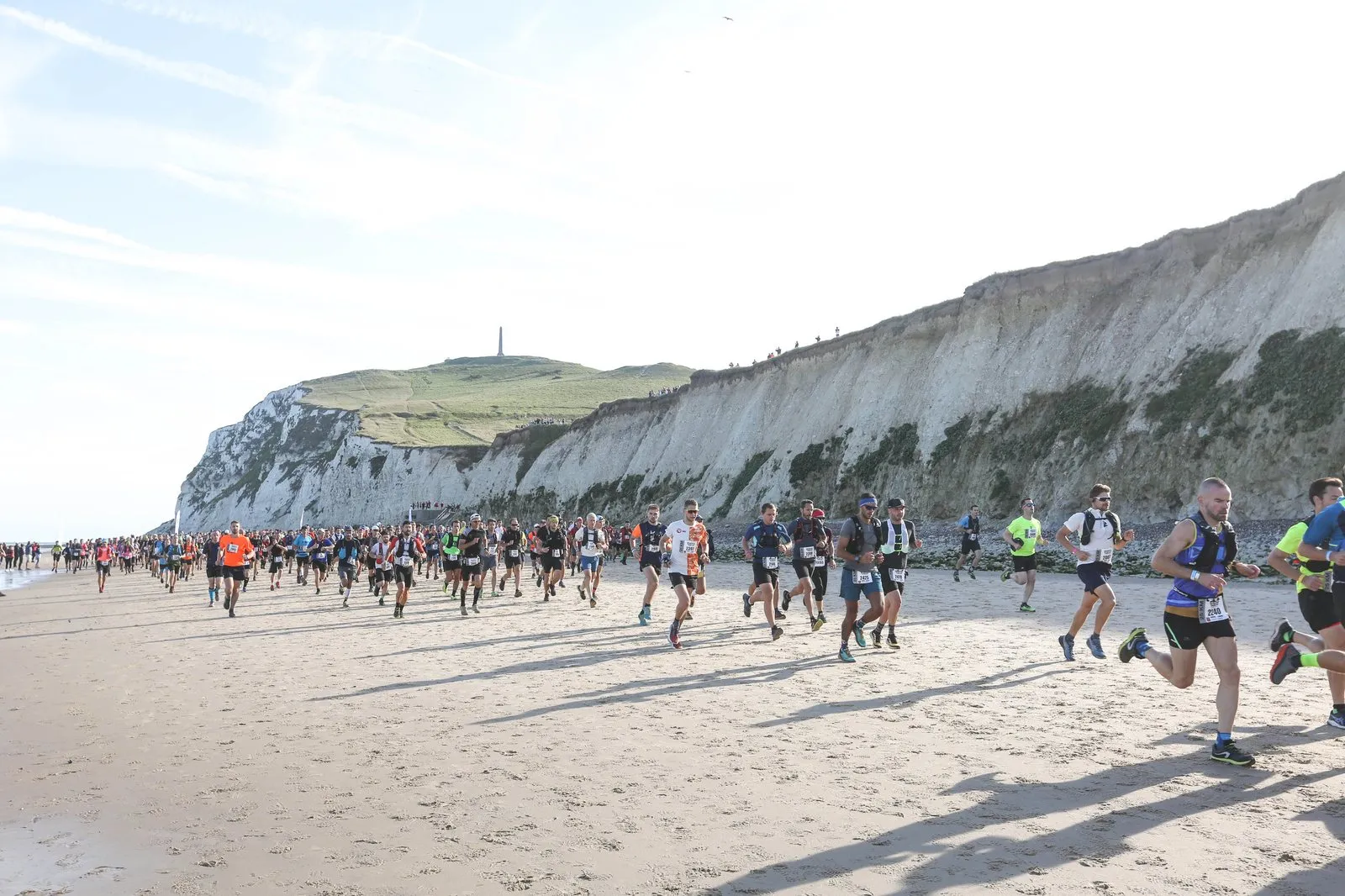 The second weekend of September, every yearTrail de la Côte d’OpaleSeven distances, from ten to a hundred and ten kilometres, over cliffs and dunes
Do you know Dunkirk carnival? Your review
No reviews yet. Yours will be the first.
The form is unavailable at the moment. Send your review to the editors, we’ll publish it here.