
Côte d'Opale
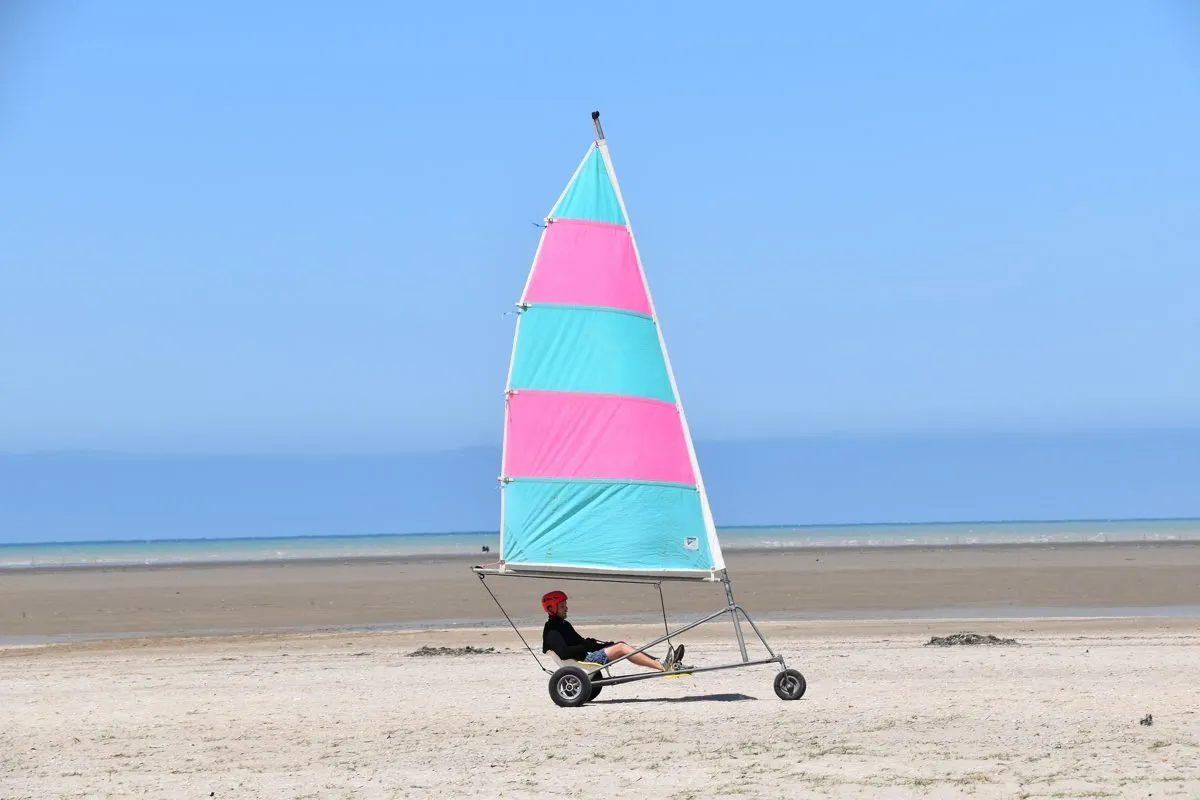
Sand yachting on the Opal Coast
Firm sand, a westerly wind, and two hours before low tide
The essentials
- Where
- Côte d'Opale
- How long
- Two hours
- Price
- Expect €30–€50 for a two-hour guided session
- From around age 8
- At low tide
- Westerly wind
- Booking required
Sand yachting needs three things this coast has in abundance: a wide, flat beach, sand that firms up on the falling tide, and wind. That's why it's done here and almost nowhere else in France, and why the clubs are set up on the beaches of the north — Dunkirk, Gravelines, Berck — rather than the coves of the Boulonnais.
You sit thirty centimetres off the ground, hold a sheet in one hand and a tiller in the other, and reach speeds that feel double what they actually are. There's nothing to know before you start.
The tide is in charge, not the clock
This is the rule that catches everyone out: a session is scheduled around the tide, not the day. You need exposed, firm sand, so you ride in the two to three hours either side of low tide. At high tide, there's no ground to ride on.
The practical consequence: a club's hours change every day, and by up to two hours from one day to the next. You can't decide the night before to come at 2pm — you check the low tide time first.
The wind you need
A wind of 15 to 40 km/h, ideally on the beam or from three-quarters astern. Below that, you don't move; above it, sessions are cancelled — a sand yacht lifting a wheel in 60 km/h wind isn't a leisure activity any more.
The prevailing wind blows from the west along the whole coast, putting the sea on your right as you head north. Beaches facing north-west, wide and free of obstacles, work best: those are the beaches of the north.
Where, along the coast
The great flat beaches of the north suit it best: Malo-les-Bains, Gravelines, Bray-Dunes. To the south, Berck offers ten kilometres of firm sand and a dedicated centre. In between, the Boulonnais is too indented and its beaches too narrow at high tide.
From what age, and with what
- From around 8 for a children’s buggy, with height mattering more than age
- A helmet, provided by the club, and goggles: the sand flies
- Clothing closed at the wrists and ankles, and gloves
- A windproof jacket: you're not exerting yourself physically, so you cool down fast
- A booking the day before, since the slot depends on the tide
Not to be confused with speed-sail and kite-buggy
- Sand yachting Seated, three wheels, a sail on a mast. This is what you learn in two hours.
- Speed-sail Standing on a board with wheels and a windsurf-style rig. More technical.
- Kite-buggy Seated in a buggy pulled by a kitesurfing kite. Faster, and you need to know how to fly the kite.
Nearby
Also nearby
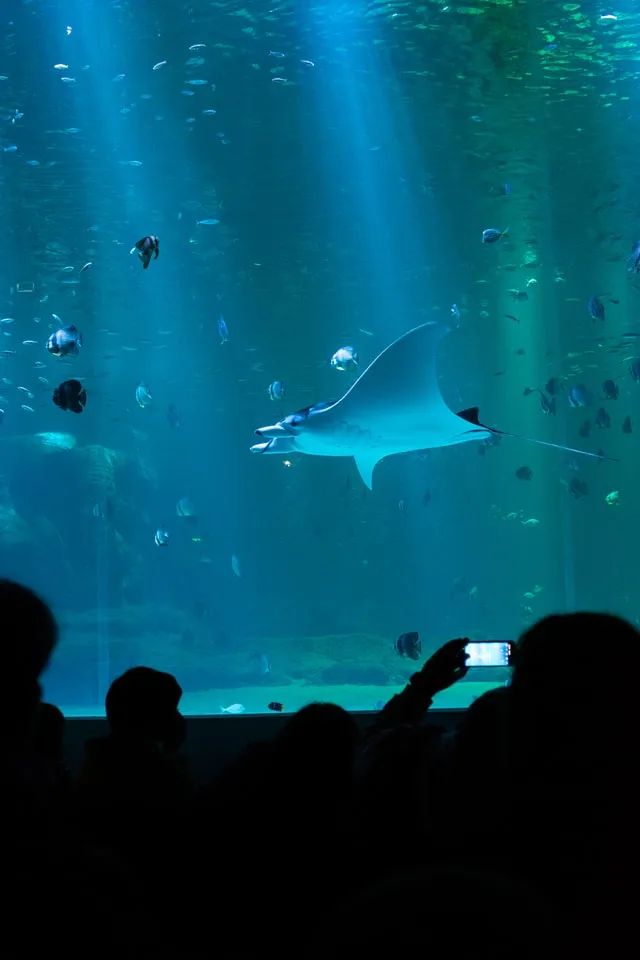 Boulogne-sur-MerNausicaáThe largest aquarium in Europe, and the only place on the coast where rain changes nothing
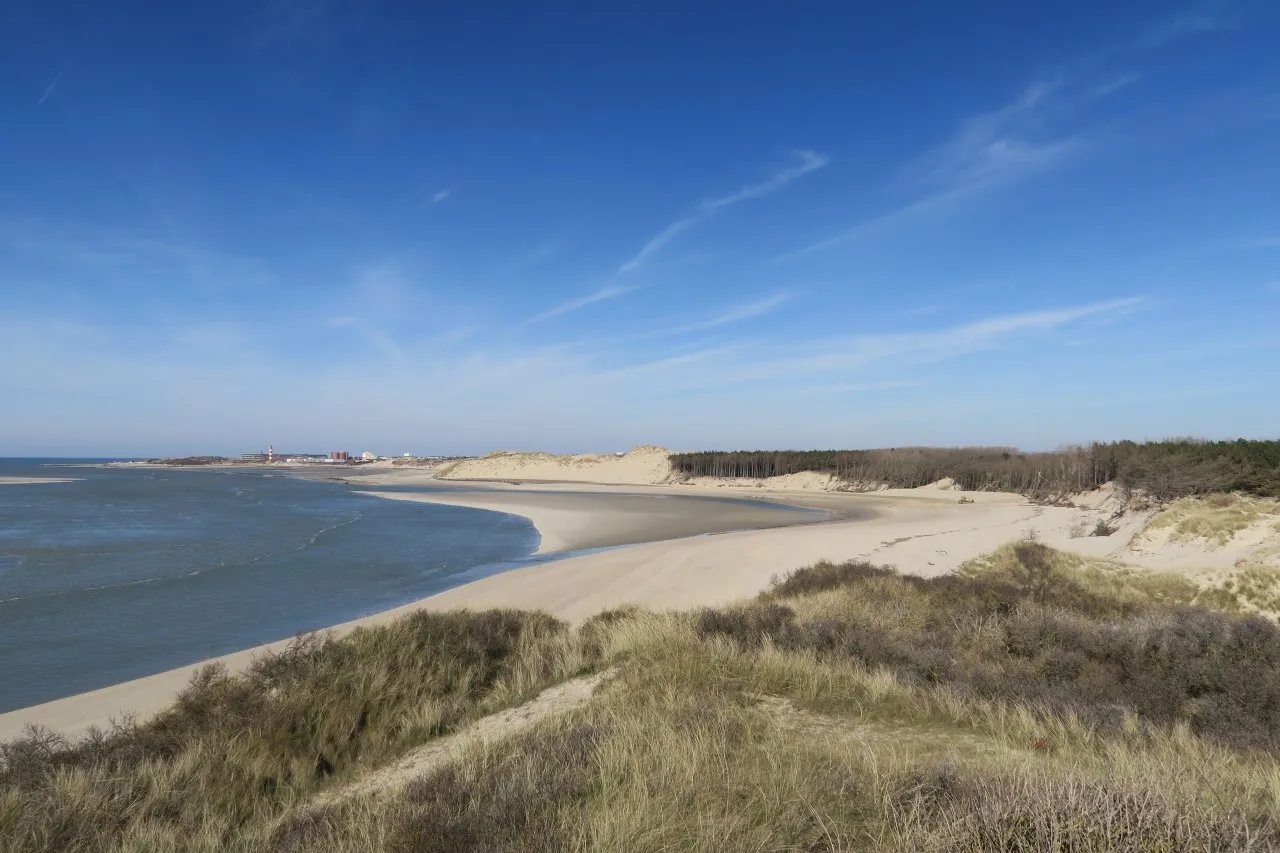 Berck-sur-MerThe Bay of the AuthieSeals, dunes and a bay that changes shape with every tide
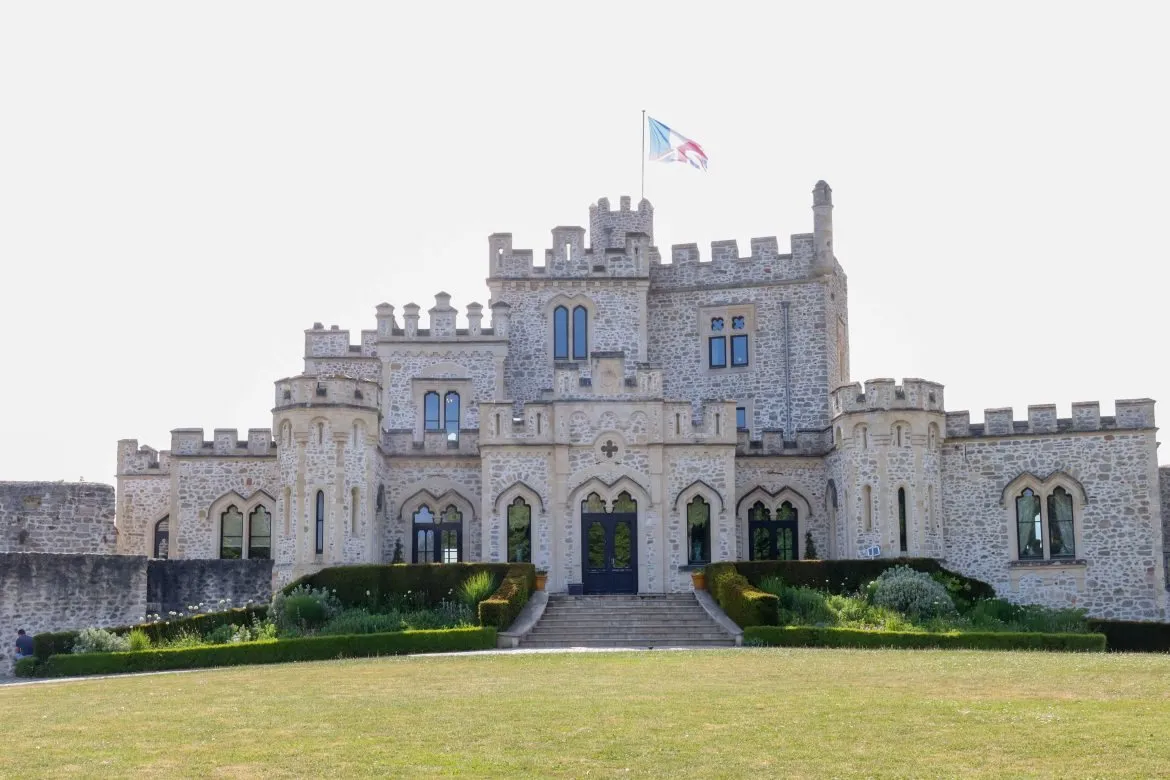 Neufchâtel-HardelotThe château d’HardelotA neo-Tudor manor house, English gardens and the only Elizabethan theatre in France
Do you know Sand yachting? Your review
No reviews yet. Yours will be the first.
The form is unavailable at the moment. Send your review to the editors, we’ll publish it here.